
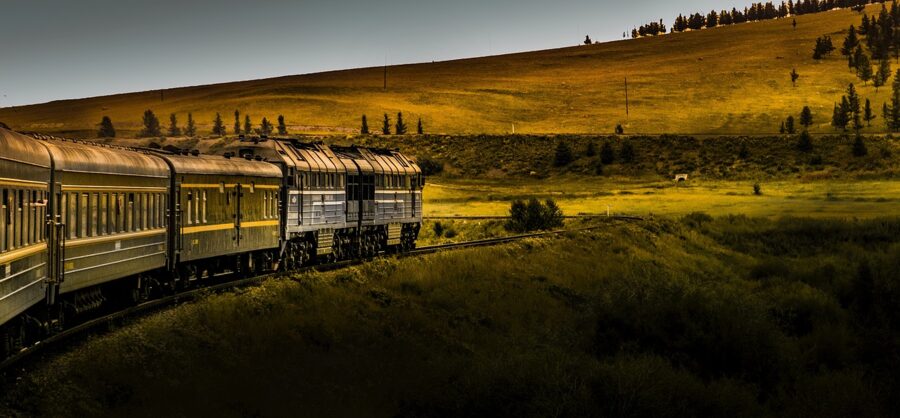
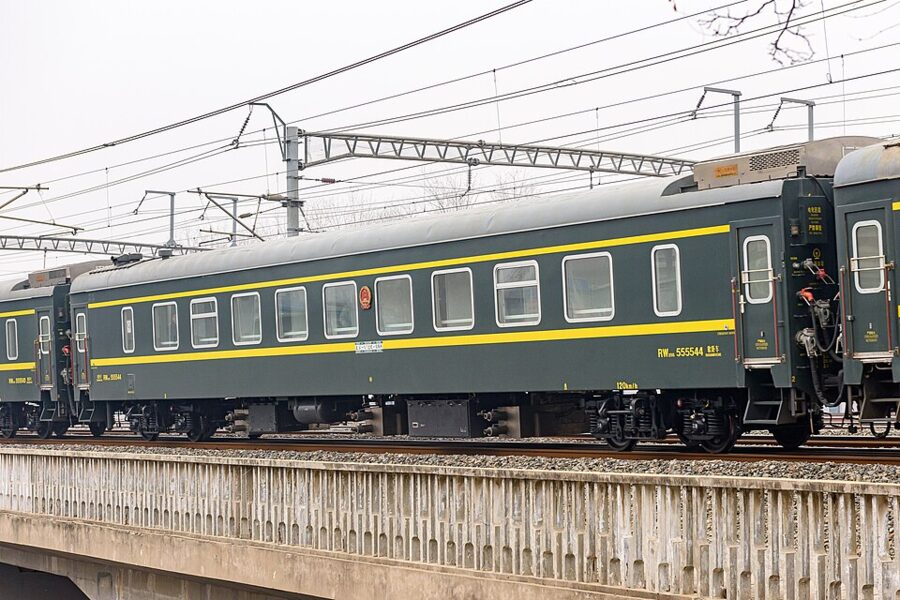
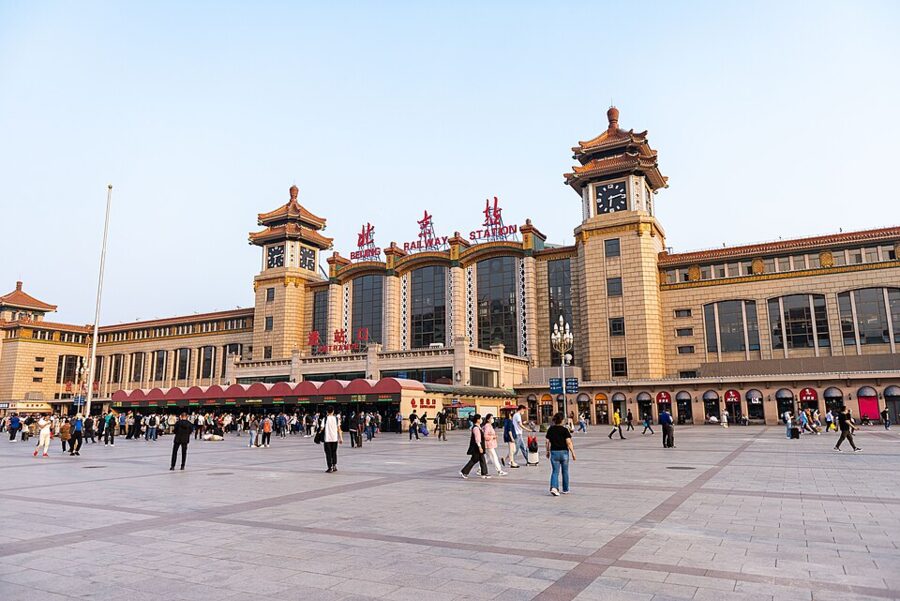
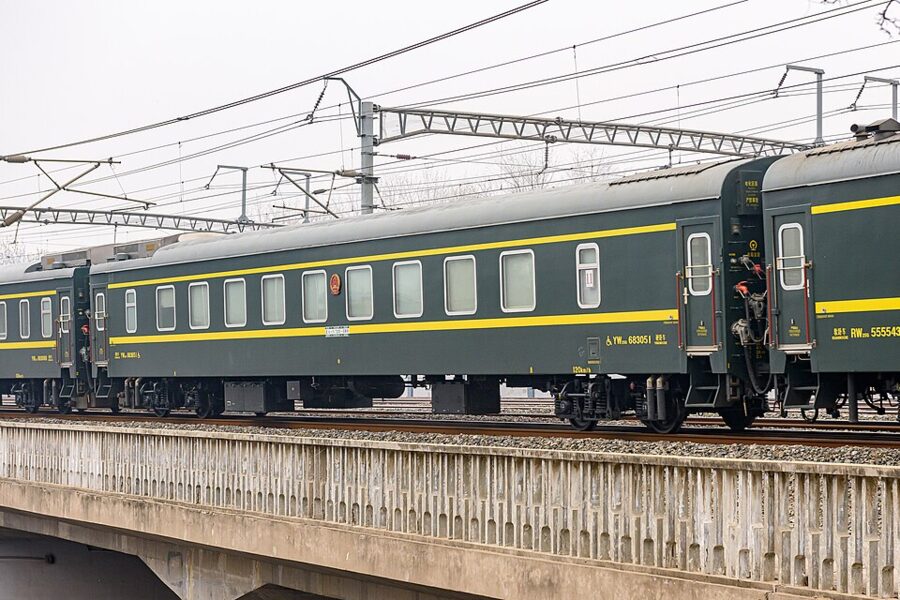
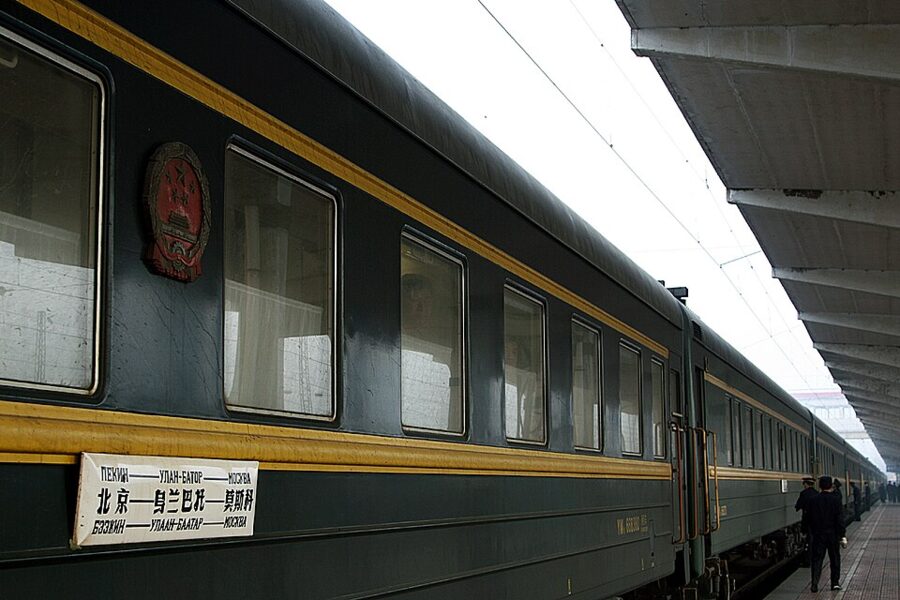
At 07:27 on Wednesday, November 25, 2026, a train of green carriages with the national emblem on their flanks pulls out of Beijing Railway Station and heads northwest for Mongolia. No passenger train has left Beijing for Russia since February 2020. Its destination is no longer Moscow, though. It is Irkutsk, 2,666 kilometers away, and the train will be there on Friday afternoon.
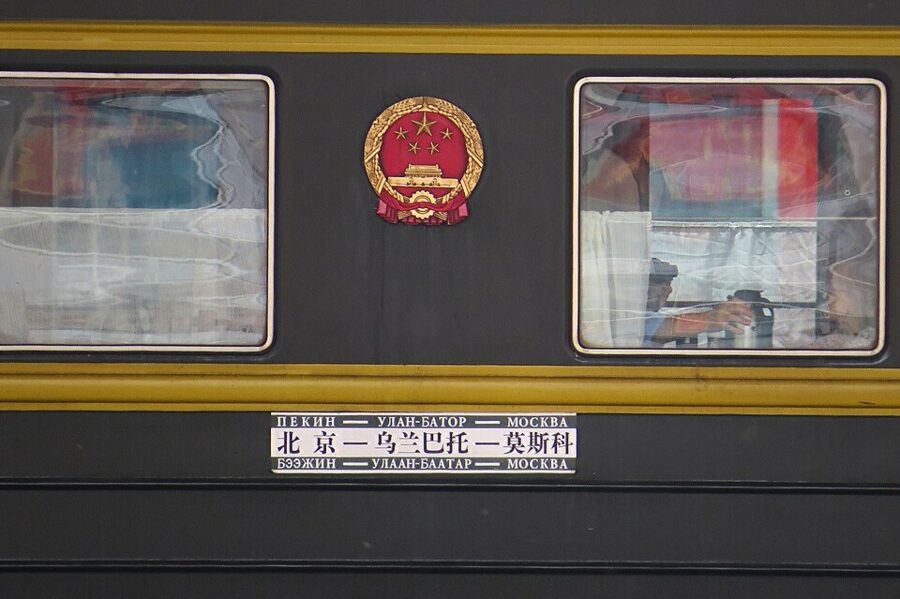

For sixty years the Wednesday train from Beijing was the most famous way into the Trans-Siberian world: K3, Beijing to Moscow by way of Ulaanbaatar, 7,818 kilometers and six days. What restarts on November 25 is a shorter, newer and more practical thing. It runs on the same rails and the same timetable as far as Lake Baikal, then stops, and everything west of Irkutsk is now a Russian domestic journey you arrange yourself.

On this page
Three routes that share one name
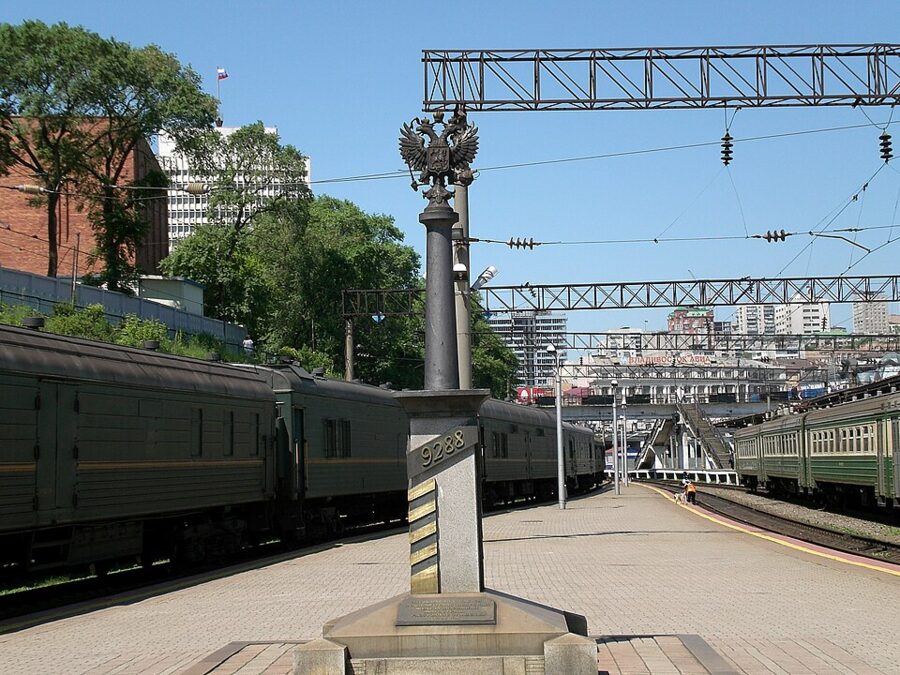
Strictly, the Trans-Siberian Railway is a Russian line: Moscow’s Yaroslavsky station to Vladivostok, 9,289 kilometers across eight time zones, built between 1891 and 1916. Two branches leave it for China, and the word “Trans-Siberian” has stretched over the years to cover both of them, along with any long train that starts in Beijing and ends somewhere in Russia.

The Trans-Mongolian leaves the main line at Ulan-Ude, east of Lake Baikal, and runs south through Ulaanbaatar and the Gobi to Erenhot (二连浩特) on the Chinese border, then on to Beijing. It is the shortest way between Beijing and Moscow and the route of the K3. The Mongolian section opened on January 1, 1956, and the Chinese link across the grassland to Jining (集宁), 331 kilometers, was built between 1953 and 1955. It cut 1,141 kilometers off the older way round through Manchuria.
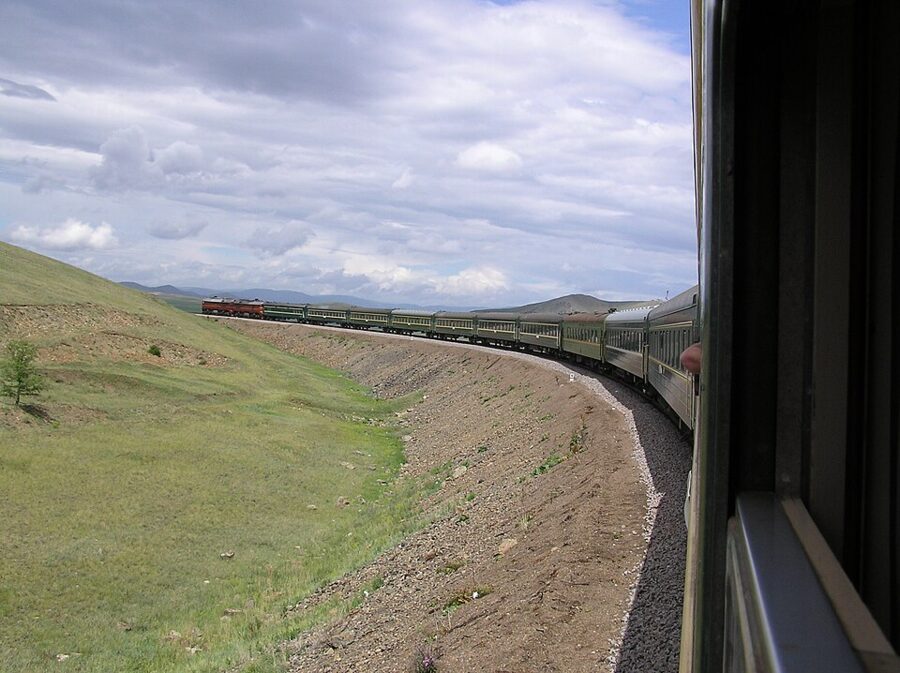

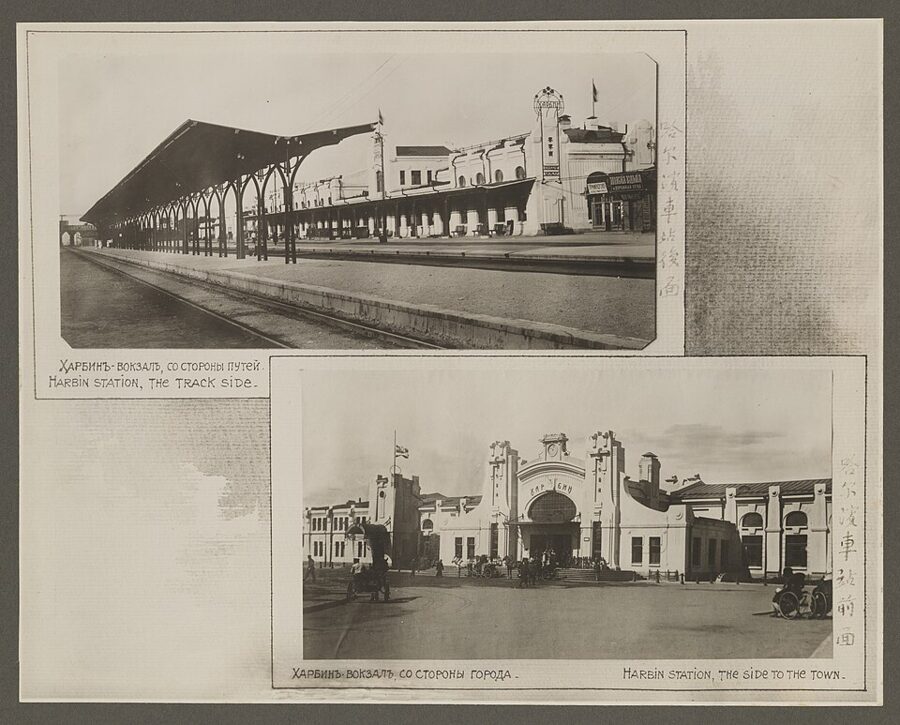
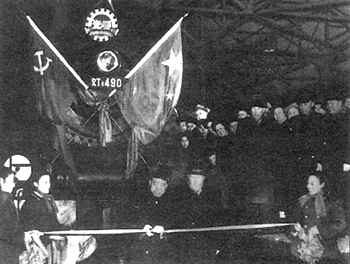
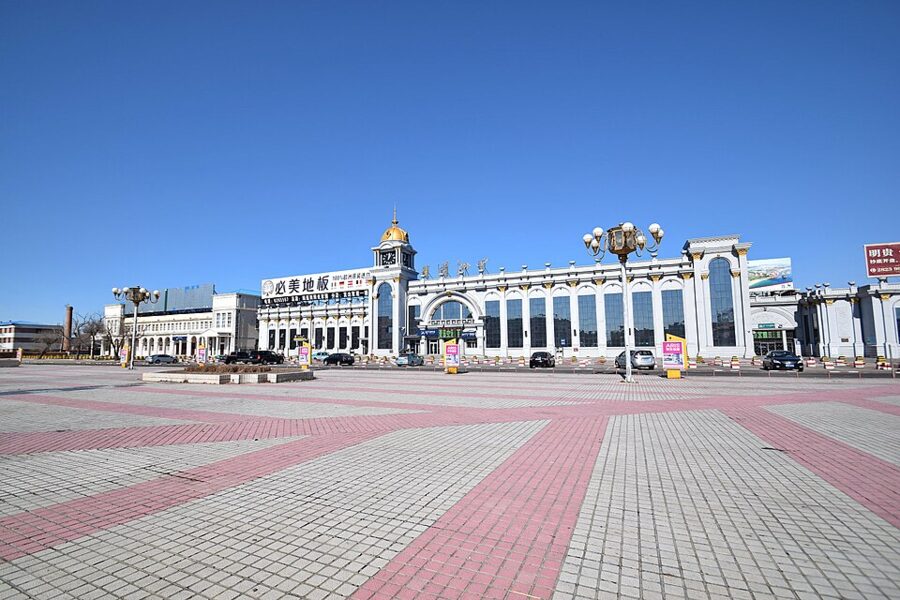
The Trans-Manchurian is the older branch, the Chinese Eastern Railway that the Russian Empire built across Manchuria between 1897 and 1902. It leaves the main line east of Chita, crosses into China at Zabaikalsk and Manzhouli (满洲里) and runs through Harbin (哈尔滨) to Beijing. Russian Railways ran the Beijing to Moscow service this way as train 19/20, the Vostok, over 8,961 kilometers in six days and six nights. The very first through passenger train from Beijing to Moscow, on January 28, 1954, also had to go this way, because the line across Mongolia did not yet reach China.
Here is how the three compared when through trains still ran to Moscow.
| Route | Path from Beijing | Distance to Moscow | Status |
|---|---|---|---|
| Trans-Siberian proper | Not from Beijing: Moscow to Vladivostok | 9,289 km to Vladivostok | Runs, as a Russian domestic line |
| Trans-Mongolian | Beijing, Erenhot, Ulaanbaatar, Ulan-Ude, then west | 7,818 km (often quoted as 7,621) | K3/4, about six days, suspended February 2020 |
| Trans-Manchurian | Beijing, Harbin, Manzhouli, Chita, then west | 8,961 km | 19/20 Vostok, six days and nights, suspended February 2020 |
The two figures for the Mongolian route are both in circulation. The longer one is what China Railway has always given for the K3; the shorter one appears in most foreign guides. Neither matters much now that the train turns round at Irkutsk.

What runs from Beijing in late 2026
Since 2020 the trains have come back one piece at a time, short hops first. A daily train between Suifenhe and Grodekovo, on the border east of Harbin, returned on December 15, 2024.
Beijing to Ulaanbaatar came back on June 3, 2025. The Manzhouli to Zabaikalsk shuttle returned on March 8, 2026. The Beijing to Irkutsk train is the last and longest piece so far. Russian Railways announced it on November 12 and China Railway published the details on November 20, five days before the first departure.
V3 and V4: Beijing, Ulaanbaatar and Irkutsk, weekly
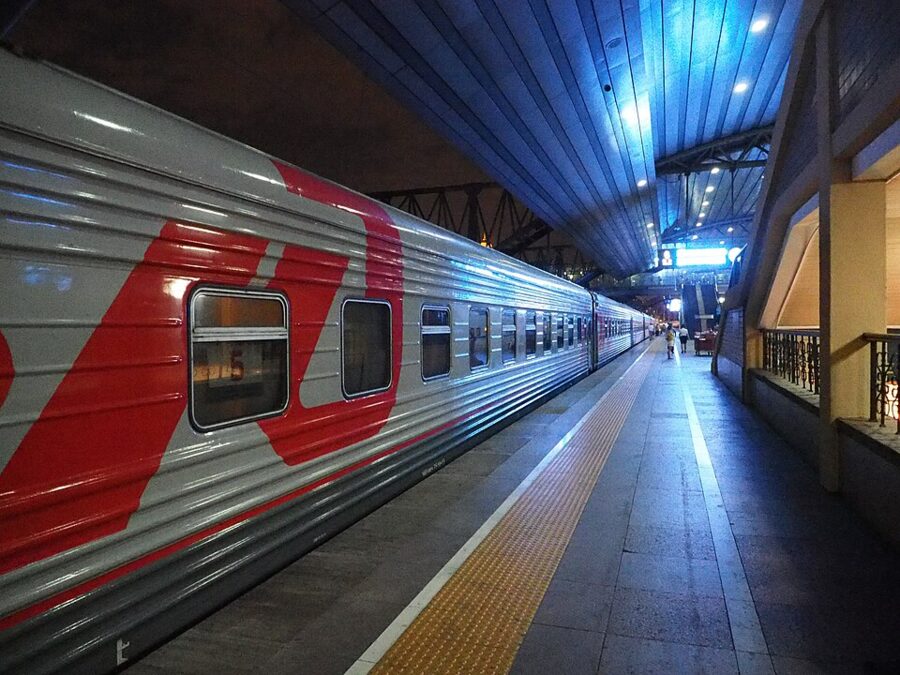
This is the heir to the K3. It leaves Beijing every Wednesday, reaches Ulaanbaatar on Thursday afternoon and Irkutsk on Friday afternoon, and comes back from Irkutsk every Saturday. The first southbound run leaves Irkutsk on November 28. The number changes at each border, which matters when you read a ticket or a Russian departure board: V3 in China, 3 in Mongolia and 003З in Russia, with the reverse for the return.
| Direction | Departs | Ulaanbaatar | Arrives |
|---|---|---|---|
| V3 (3 in Mongolia), northbound | Wednesday 07:27, Beijing | Thursday 14:35 | Friday 14:55, Irkutsk |
| 4 (V4 in China), southbound | Saturday 06:58, Irkutsk | Sunday 06:38 | Monday 14:35, Beijing |
One small piece of luck: Beijing, Ulaanbaatar and Irkutsk all keep the same clock, eight hours ahead of UTC, so these times are local all the way and your watch never moves. Old timetables and travel accounts quote Russian stations in Moscow time, which is five hours behind; ignore them.

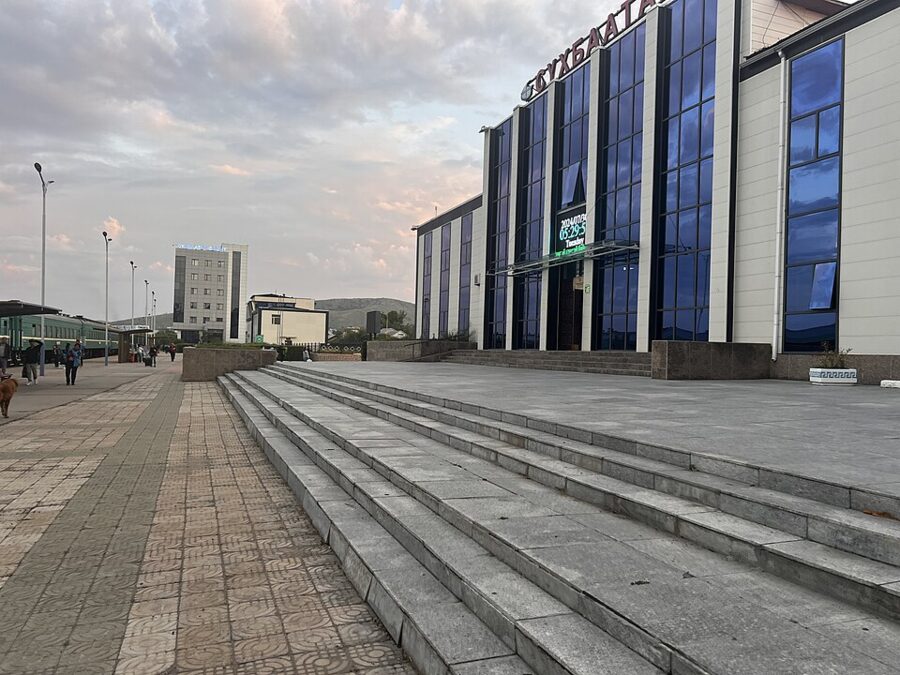
The stops where you can board or leave are Beijing, Jining South (集宁南), Erlian (二连, the station at Erenhot), Zamyn-Uud, Sainshand, Choir, Ulaanbaatar, Zuunkharaa, Darkhan, Sukhbaatar, Naushki, Ulan-Ude and Irkutsk. Border formalities happen at Erenhot and Zamyn-Uud on the China–Mongolia frontier and at Sukhbaatar and Naushki on the Mongolia–Russia one. The whole run takes about 55 and a half hours northbound and a few minutes more southbound.
The Tuesday train to Ulaanbaatar
If Mongolia is the goal, there is a second weekly train. K23 has run from Beijing every Tuesday since June 2025, on the same 07:27 departure and the same path to Erlian (20:18), arriving in Ulaanbaatar the next afternoon. K24 leaves Ulaanbaatar on Thursdays and reaches Beijing on Friday. Erenhot’s city government notice of November 17, 2026 lists its Chinese-side numbers changing to V23 and V24 with the national renumbering, so look for those on the board.

What has not come back
No train runs from Beijing to Moscow. The Chinese announcement makes the Irkutsk terminus plain, and nothing published so far, in Beijing or in Moscow, mentions extending it. Chinese commentators have put the cut down to three things: the risk of running a train full of foreign passengers 4,000 kilometers deeper into a country at war, freight congestion on the Trans-Siberian since 2022, and a pre-2020 passenger load that had already shrunk to six cars.
The Russian-run Vostok via Harbin and Manzhouli has no restart date at all. What does run at Manzhouli is a cross-border shuttle, train 353/354, twice a week over the 9.8 kilometers to Zabaikalsk in about 25 minutes, with Russian through cars from Irkutsk and Chita now working down to Manzhouli. From Zabaikalsk the Russian network runs on to Chita and the main line, so the Manchurian route can be pieced together, slowly, by anyone holding the right visa.


Buying a ticket: in person, with a passport
The single most surprising fact about this train in 2026 is that you cannot book it online. China’s railway booking system, 12306, sells only domestic tickets and has not opened even the Beijing to Erlian section of V3. Tickets go on sale 60 days ahead at two offices, both run by travel agencies rather than by the railway.
In Beijing, that is the international train ticket office of China Tourism Group Travel Service (the former CITS) in the CITS Building (国旅大厦) at 1 Dongdan North Street (东单北大街), near Dongdan subway station. Notices from 2025 give Room 717 and a November 2026 report gives Room 819, so ask at the ground floor. Opening hours have been listed as roughly 09:00–12:00 and 13:00–17:00, with a Saturday morning session in older notices. In Erenhot, the equivalent office is the international train ticket counter of the Erenhot CITS on Yingbin South Road.

Bring your passport, and only your passport. Staff at the Beijing office told reporters in November that they do not ask to see visas when they sell the ticket, so the visa problem is yours to solve at the border. That cuts both ways: nobody at the counter will stop you buying a ticket you cannot use.
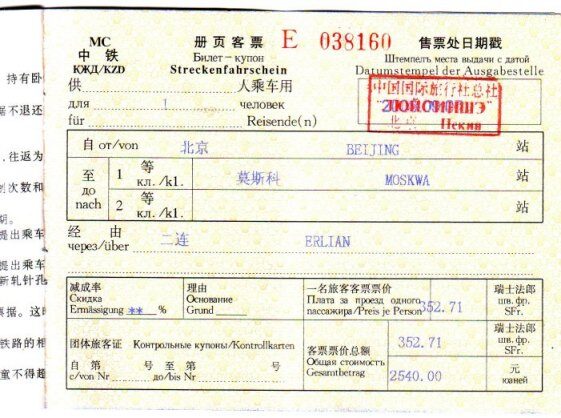
What you receive is the old-style international ticket: a paper booklet of four leaves, which the Chinese call a ceye kepiao (册页客票, “booklet ticket”). Railway fans buy them just to keep, even for the short domestic hop to Erlian. Tickets for journeys that start in Mongolia or Russia, including your return from Irkutsk if you buy it there, are sold by those countries’ railways.

Hard sleeper or deluxe?
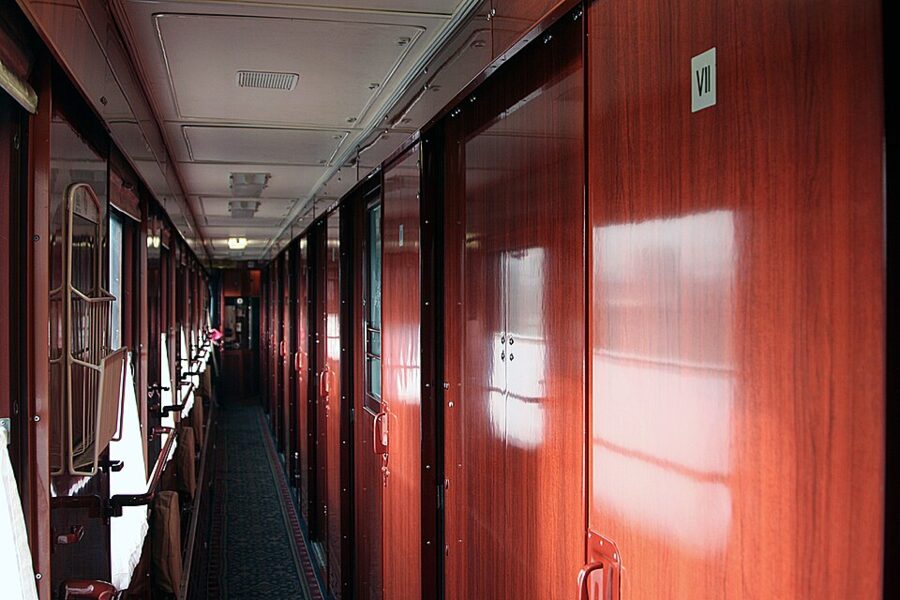
The new train has two classes. Hard sleeper is a four-berth compartment with two upper and two lower bunks, a door you can close and toilets at the end of the car. Deluxe soft sleeper is a two-berth compartment with a small sofa, and the train’s chief steward told a Beijing newspaper during a preview on November 23 that each has its own toilet and shower. A ticket seller in the same week described the older arrangement, a washroom shared between two compartments, so expect one or the other.
Ticket staff also say hard-sleeper passengers can shower on board. I would treat that as a pleasant surprise rather than a promise. The whole train carries 242 passengers, and three cars come off at Erlian, so the international part is smaller than the train that leaves Beijing.

What it costs
Reported fares for Beijing to Irkutsk are 2,411 yuan in hard sleeper and 3,763 yuan in deluxe soft sleeper, per person. Both figures come from the ticket offices in Beijing and Erenhot rather than a published tariff, and they include the agency fee. Fares to Ulaanbaatar on the new train are not yet published.
For scale, the old K3 fare table put Beijing to Irkutsk at 2,139 yuan in hard sleeper and 3,361 yuan in deluxe, Beijing to Ulaanbaatar at 1,310 and 2,041 yuan, and the whole way to Moscow at 3,793 and 6,080 yuan, each including a 50-yuan handling fee. The new Irkutsk prices are about 12 to 13 percent higher. Budget separately for the dining car.
Visas, borders and money
Three countries in 55 hours means three sets of rules, and the order matters: China lets you out at Erenhot, Mongolia lets you in at Zamyn-Uud and out at Sukhbaatar, and Russia lets you in at Naushki. Each stop takes hours. The checks are done on board, with officers walking the corridor and collecting passports, except at Erenhot, where the bogie change means getting off.

Leaving China
If you are flying into Beijing for this trip, you need to be in China legally before you need to leave it. Citizens of many European countries, Australia and New Zealand, and since February 17, 2026 the United Kingdom and Canada, can stay up to 30 days without a visa under China’s unilateral waiver. That waiver runs to December 31, 2026, and its renewal had not been announced in late November.
Americans, among others, can use China’s 240-hour visa-free transit, which covers 57 countries. It works well here because the train itself is your onward ticket to a third country, and the published list of entry and exit ports includes Erenhot, both rail and road. You need a confirmed onward ticket with a fixed date, which the paper booklet provides.
Mongolia
Mongolia lets in citizens of the United States, Canada, Germany, Japan and a long list of others without a visa for short stays. A further 34 countries, including the United Kingdom, France, Spain, Italy, the Netherlands, Australia and New Zealand, are on a temporary waiver of up to 30 days that was extended to January 1, 2027. If you are riding in late January or February for the Baikal ice, check whether it has been extended again before you buy.
Everyone else applies through Mongolia’s e-visa system. That includes holders of ordinary Chinese passports, who are visa-free in Russia but not in Mongolia; the Erenhot ticket office says the e-visa usually takes two to three working days. Print it and carry it, because the officer at Zamyn-Uud will want to see it at one in the morning.
Russia
This is the hard one for most Western passports. Citizens of the countries on Russia’s unified e-visa list, which includes Germany, France, Italy, Spain, the Netherlands, Switzerland and Japan, can apply online, and the e-visa is issued within four calendar days. Naushki is on the list of rail crossings where the e-visa is accepted, so the train is a valid way in. The e-visa has allowed stays of up to 16 days; check the current length when you apply.
Citizens of the United States, the United Kingdom, Canada, Australia and New Zealand are not on the list and need a conventional visa from a Russian consulate, which means an invitation and a longer wait. Chinese citizens with ordinary passports are visa-free for stays of up to 30 days until December 31, 2027.

Cash in Russia, and the travel advice
Visa and Mastercard cards issued outside Russia have not worked there since the two companies suspended operations in March 2022. Plan to carry enough cash, in euros, US dollars or yuan, for the whole Russian part of the trip, and exchange it at a bank in Irkutsk.
Several governments, including those of the United States and the United Kingdom, advise their citizens against travel to Russia, and that advice can affect your travel insurance. Read your own government’s current guidance before you buy a ticket that ends in Irkutsk; the Beijing to Ulaanbaatar trains avoid the question entirely.
Wednesday to Friday, hour by hour
The train takes three calendar days and two nights to reach Irkutsk, and each day has its own country. Wednesday is China, Thursday is Mongolia and Friday morning is Russia and the lake.
Wednesday: out through the Yongding gorge
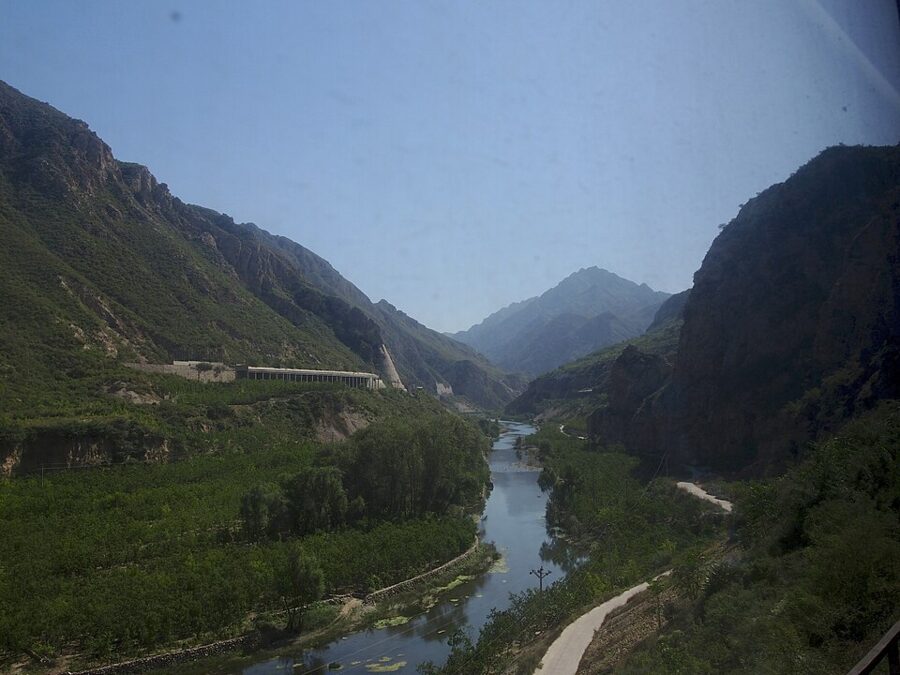
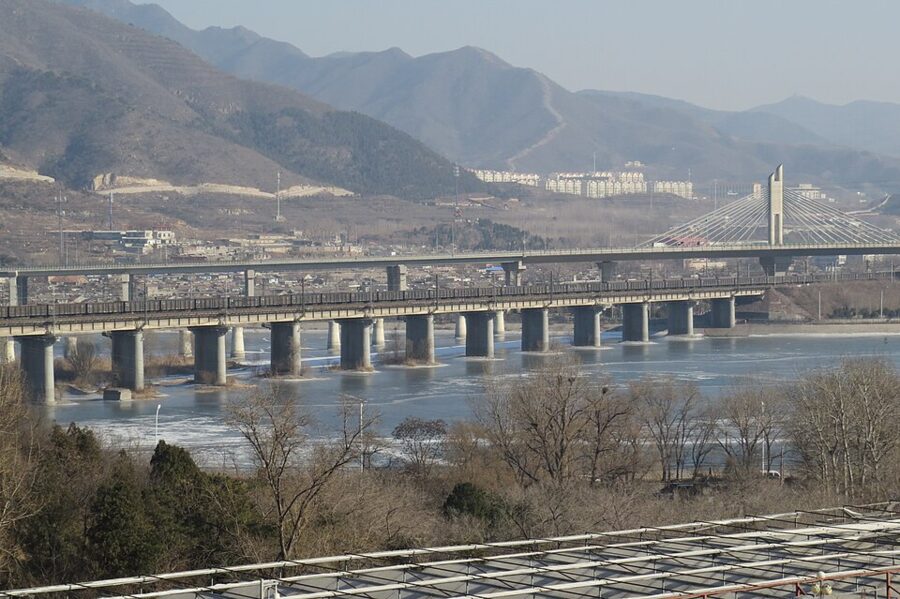
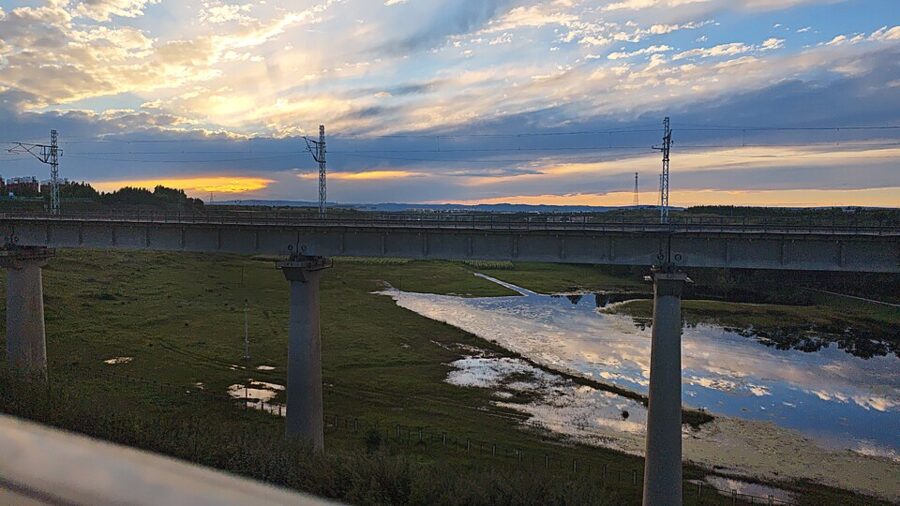
The first hour is the best railway scenery in Beijing. Since 2007 the international trains have left the city by the Fengsha line (丰沙铁路), which follows the Yongding River (永定河) through a gorge in the Western Hills, tunnel after tunnel. On the way back the gorge comes in the last hour before Beijing.

After the hills the train runs out past Zhangjiakou (张家口) onto the plateau. Older timetables had it calling at Datong (大同), the Shanxi coal city with the Yungang Grottoes, and plenty of travel writing still says so. The current train makes no stop between Beijing and Jining South, which it reaches in the afternoon, in the city now called Ulanqab (乌兰察布).

At Jining the train turns north onto the 331-kilometer line to Erenhot, across open grassland that is brown and bare in November and green from about June. This stretch was originally laid to the Russian broad gauge so that Soviet trains could run straight through, and the change of bogies was done at Jining. In October 1965, with China and the Soviet Union at odds, the line was narrowed to standard gauge and the bogie shed moved to Erenhot, where it still is.

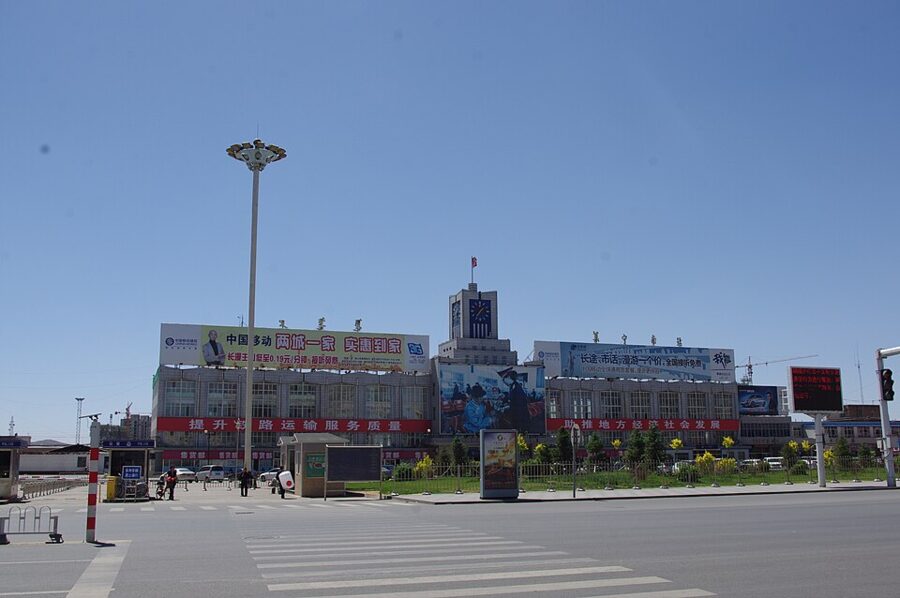

Erenhot after dark: the bogie change
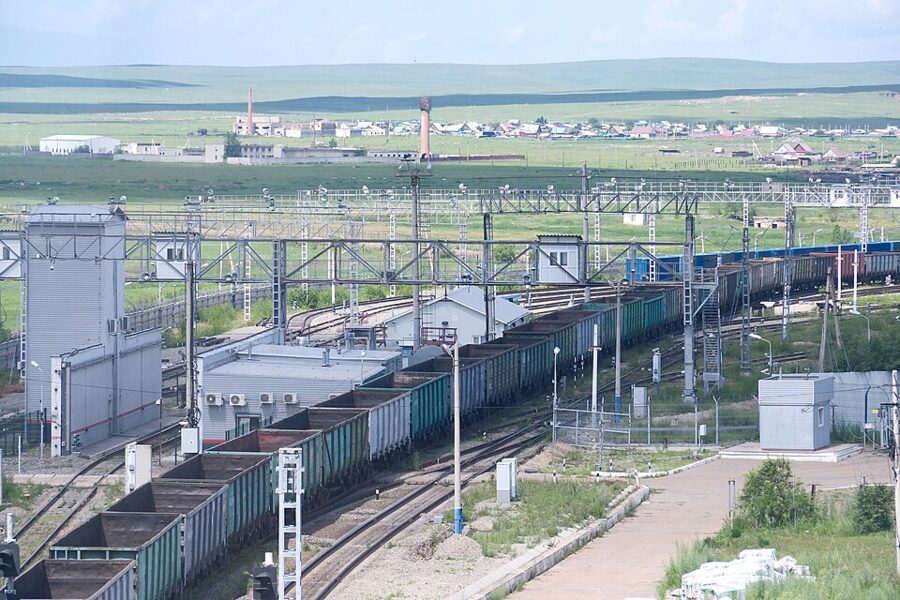
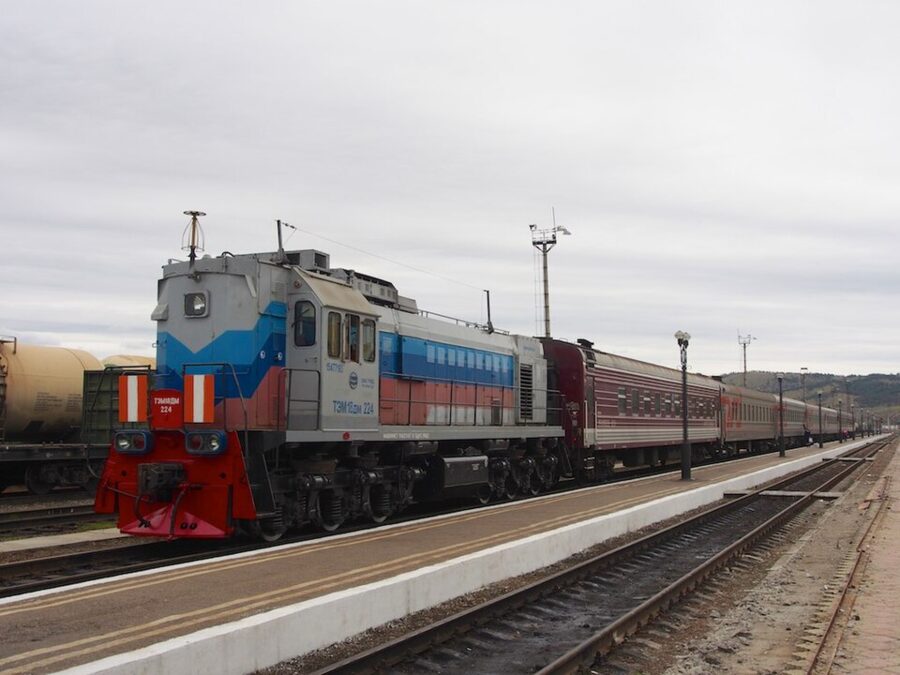
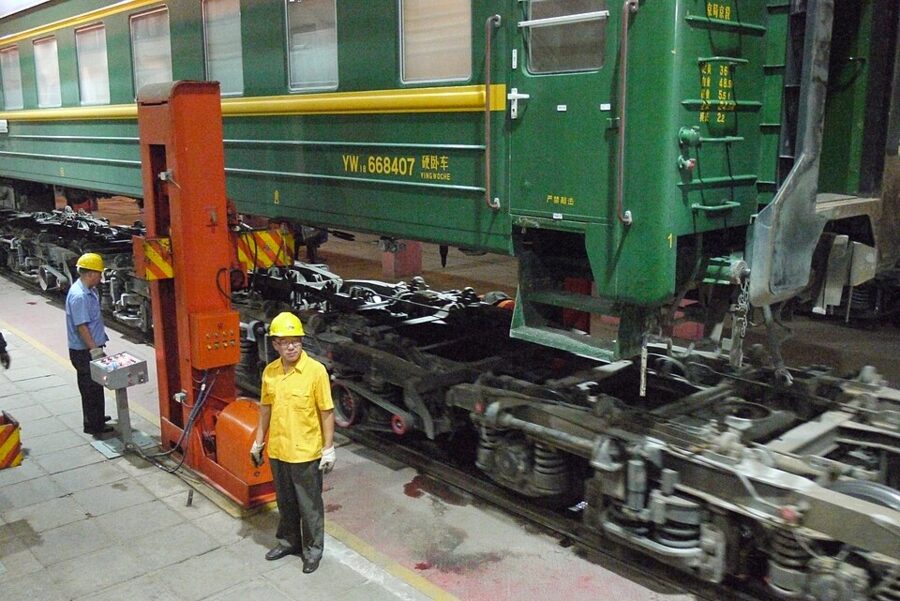
The train reaches Erlian at 20:18 and stands there for 281 minutes. Mongolia and Russia use 1,520-millimeter track and China uses 1,435, a difference of 85 millimeters, and the answer here has always been to swap the wheels rather than the passengers. In Chinese this is huanlun (换轮, “changing wheels”), and Erenhot is one of the few places in the country where it happens.


The cars are uncoupled and pushed into a long shed, where electric jacks at the four corners of each car lift it clear of its bogies. The standard-gauge bogies are rolled out from underneath, the broad-gauge ones rolled in, and the car is lowered back onto them, checked and re-coupled. Couplers are changed too on the cars at each end, so that they can be hooked up to a Mongolian locomotive.
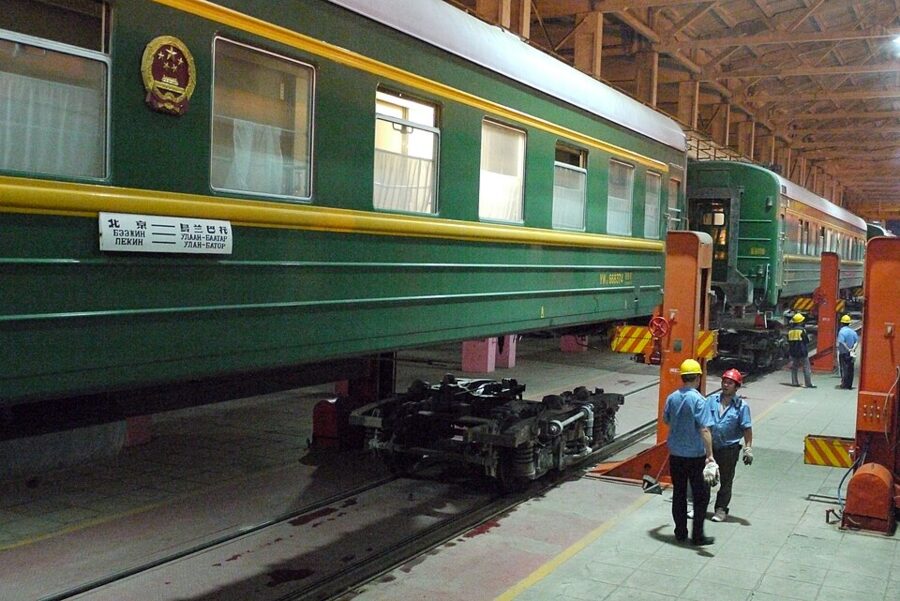

For decades passengers could stay in their compartment and ride into the shed, which is how most old accounts describe it. The Erenhot ticket office told reporters in November that on the new train you get off and wait in the station hall while the work is done. Either way, have warm clothes to hand: Erenhot in late November is below freezing at night.

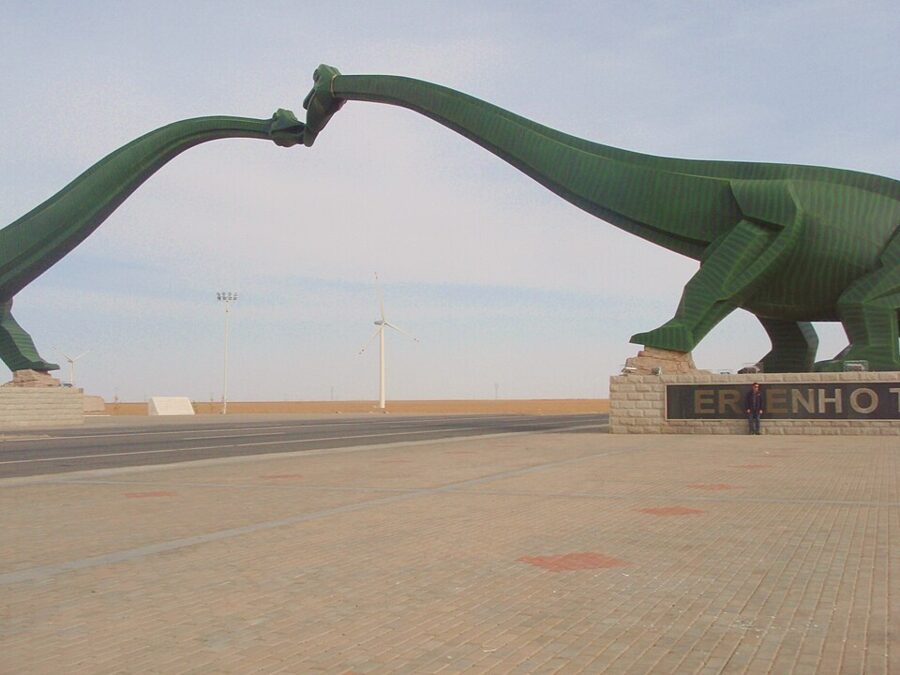
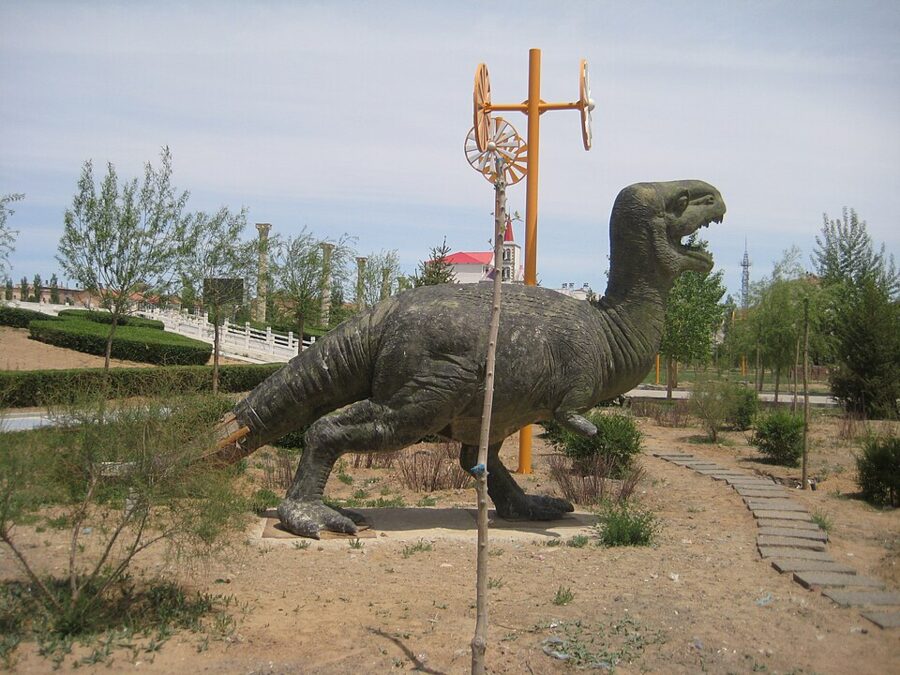
If you have time in Erenhot by day, on the overland route described below, the town is known for dinosaur fossils from a salt lake to its east. Its main road south is lined with dinosaur sculptures, including a pair of sauropods that meet in an arch over the highway.

Thursday: the Gobi and Ulaanbaatar
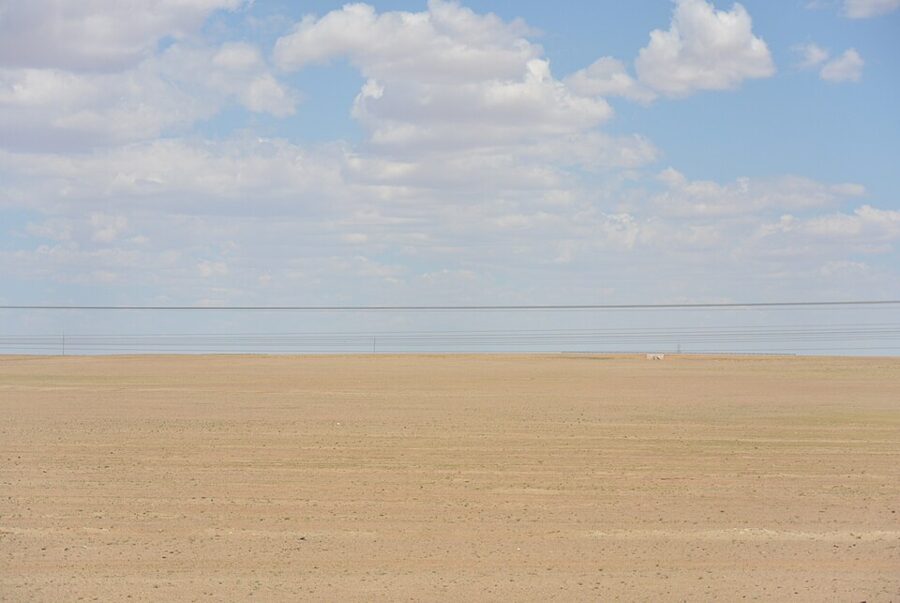
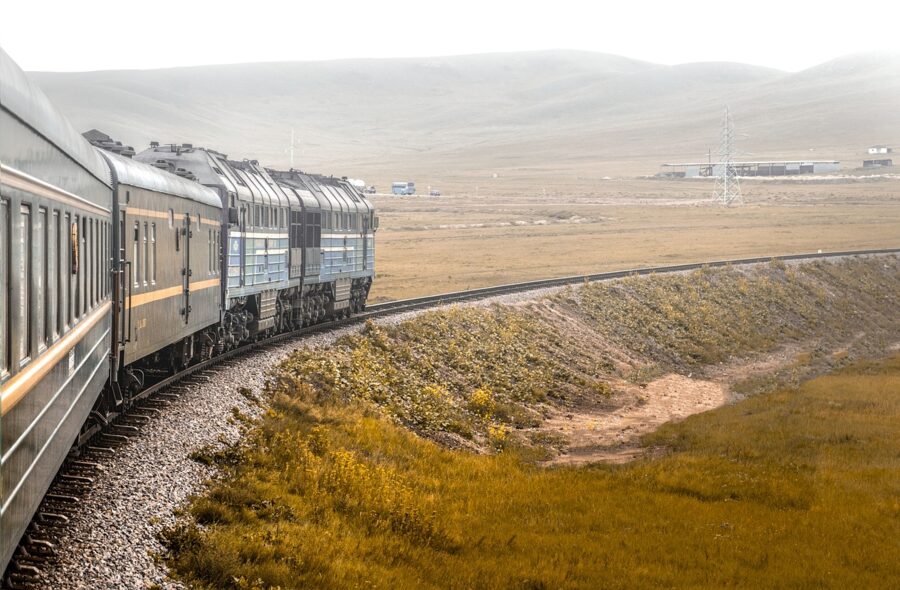
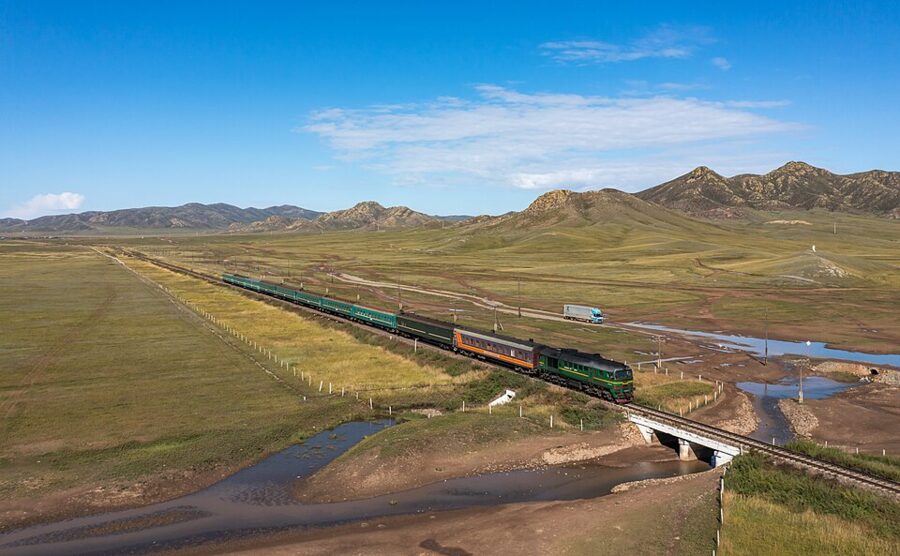
Mongolian border officers board at Zamyn-Uud, a few kilometers north, sometime after 01:00, and then the train finally runs. Daylight comes late in November, close to 08:00, somewhere around Sainshand in the eastern Gobi. It is not a sand desert here: it is a flat gravel plain with low grass, telegraph poles, the odd group of gers and a horizon in every direction.

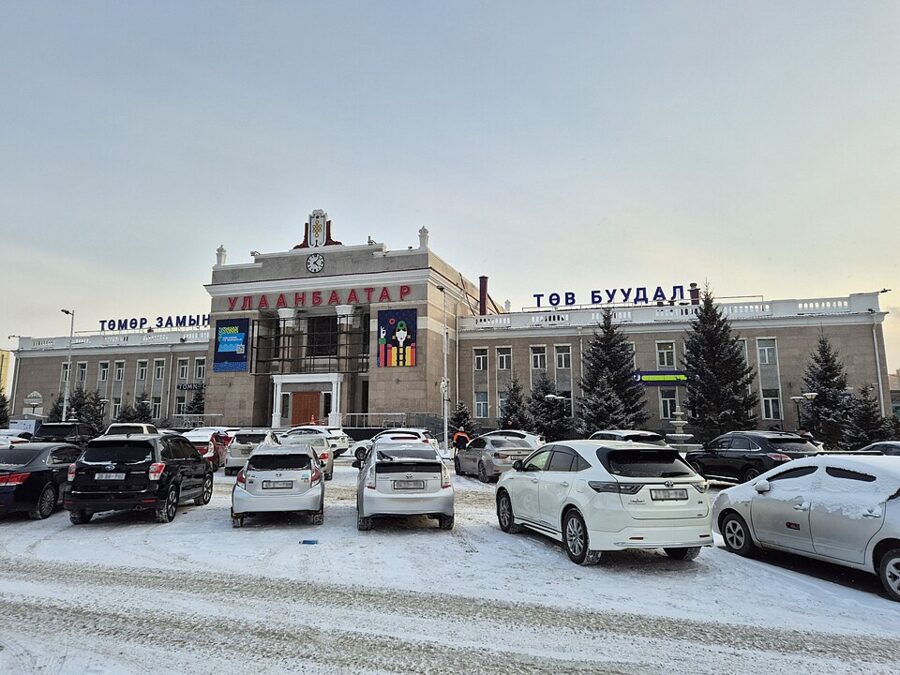
Sainshand and Choir are the main stops through the morning, each with a short halt where you can step down onto the platform. The ground rises steadily, and by midday the grass is thicker and the hills closer. Ulaanbaatar comes at 14:35, a capital spread along a river valley, its edges ringed by ger districts.

The stop at Ulaanbaatar is long enough on the old timetable to buy something from the platform: mutton dumplings and milk tea have long been the standard purchase. After the capital the train heads north through Zuunkharaa and Darkhan as the light goes, and the Mongolian exit check at Sukhbaatar falls in the evening.


Friday morning: the Selenga and Lake Baikal
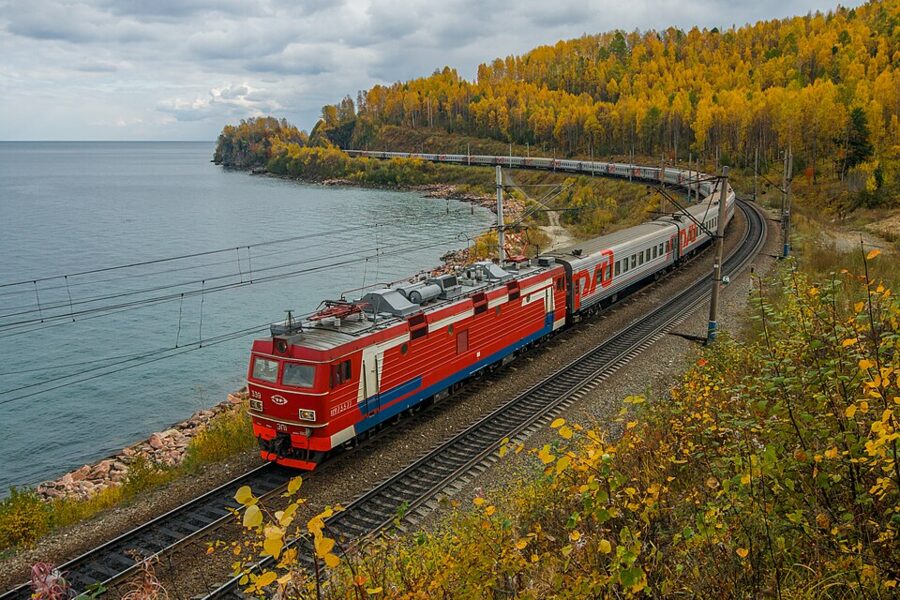
Russian checks at Naushki fill the night. By early Friday morning the train is running down the valley of the Selenga River toward Ulan-Ude, where it joins the main Trans-Siberian line and turns west. From here to Irkutsk the railway follows the southern shore of Lake Baikal, and the train crew say you will be beside the water for about five hours, starting around 07:30.
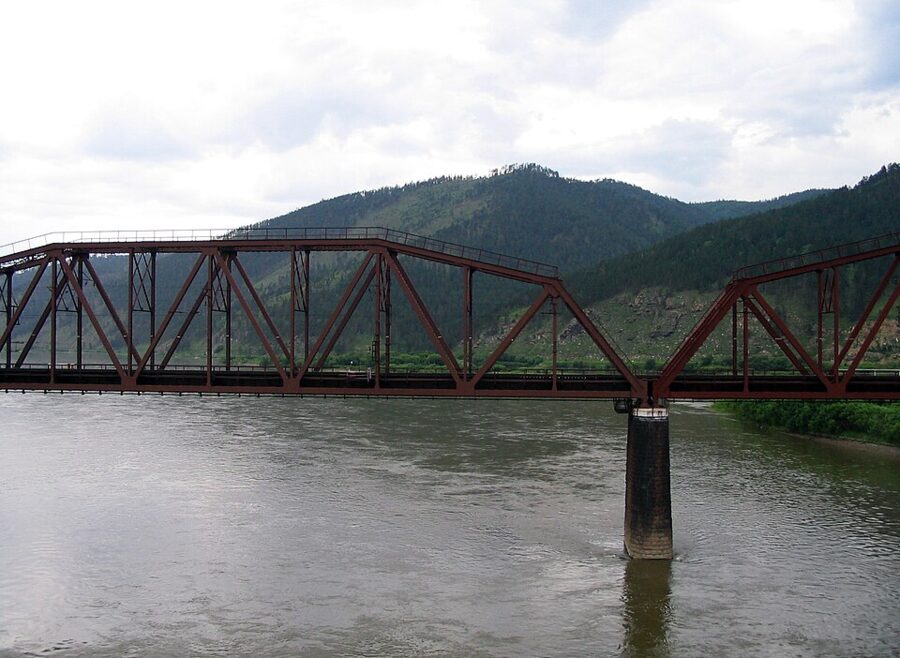
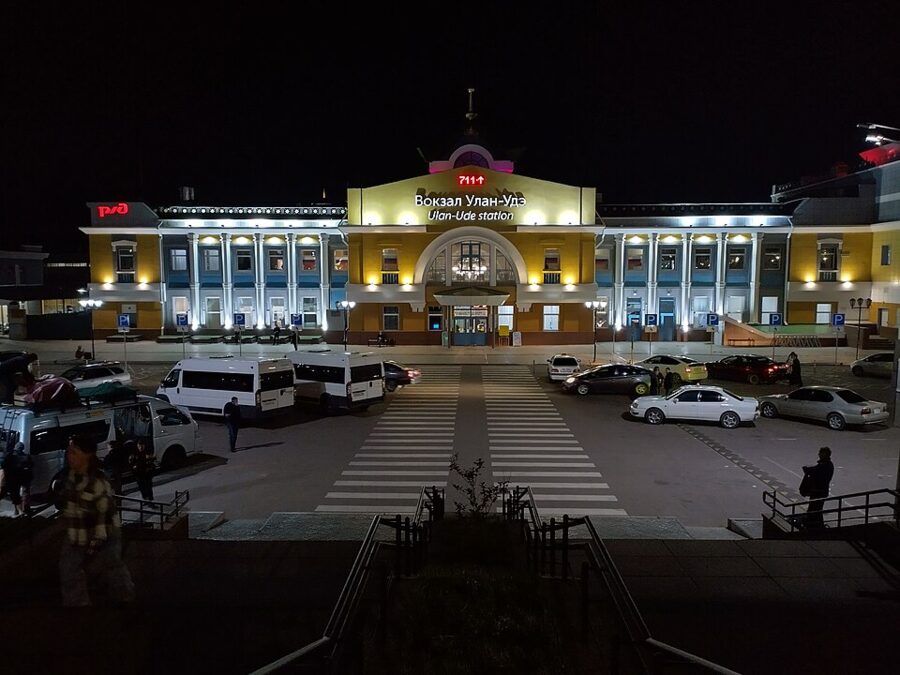
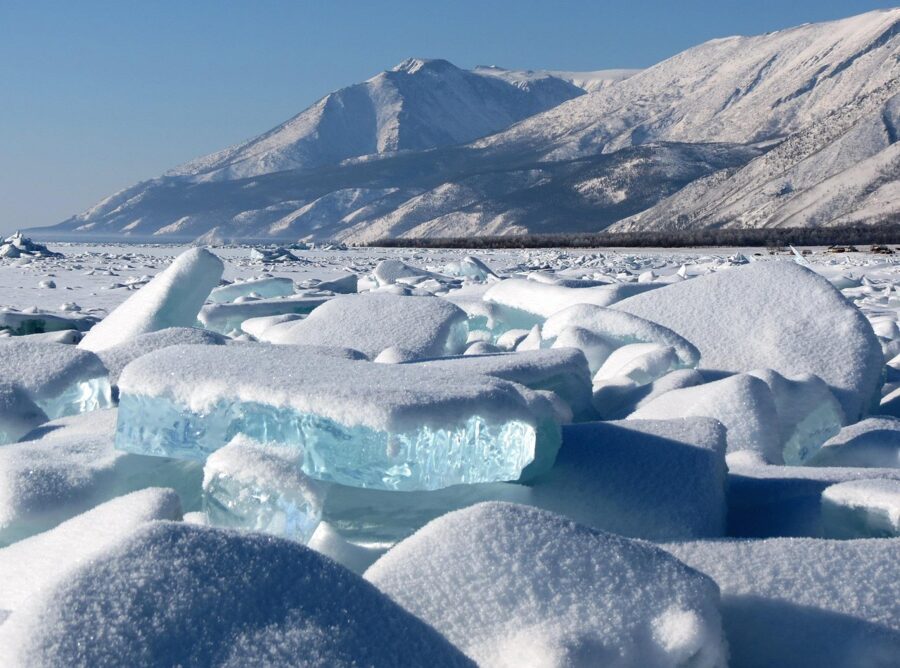
Sit on the right, northbound. Baikal is more than 600 kilometers long and more than 1,600 meters deep, the deepest lake in the world, and in winter it freezes into a white plain with pressure ridges and patches of clear blue ice. Around Slyudyanka, at the lake’s southwestern tip, the line leaves the shore and climbs over the hills to Irkutsk, which it reaches at 14:55.

Eating on board
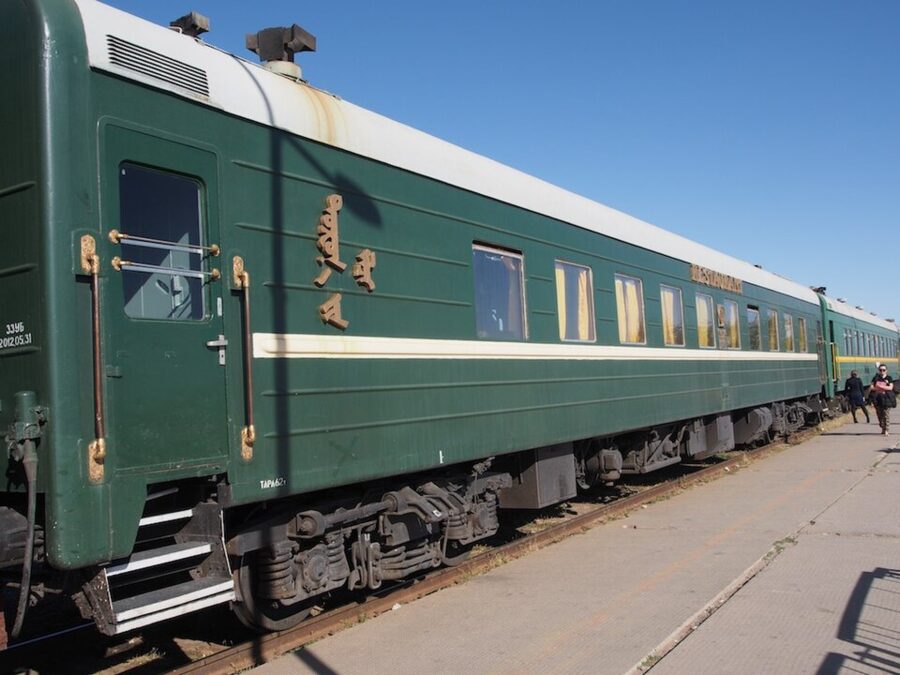
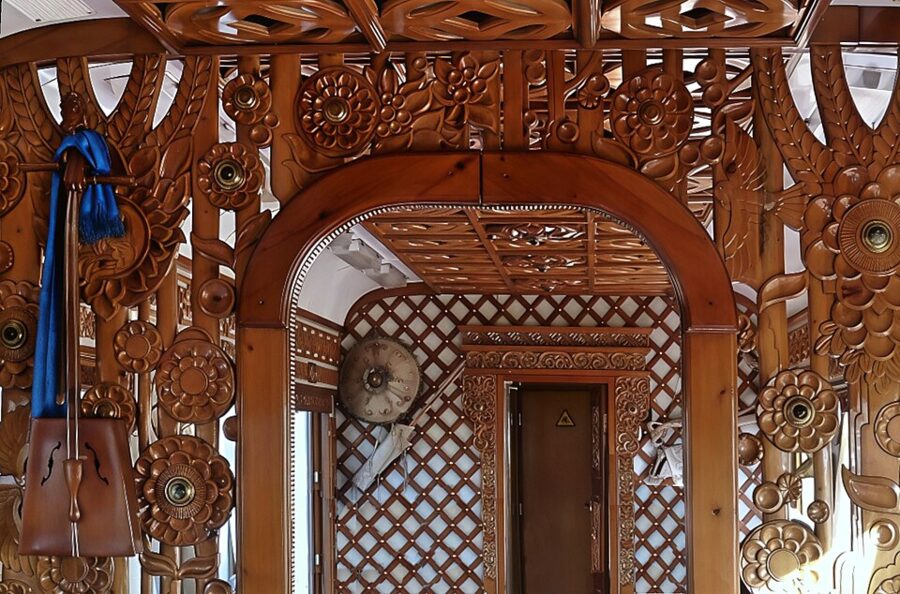
On the K3 the dining car changed at each border: a Chinese car in China, a Mongolian one in Mongolia, a Russian one in Russia. The new train keeps its own Chinese dining car the whole way, serving Chinese and Western food, decorated with scenes from ten famous Chinese views and window stickers of the Great Wall, Ulaanbaatar and Baikal. A translator rides along, and the notices are in Chinese, Mongolian and Russian.

Bring food anyway. The dining car is the only shop for long stretches, the hot-water boiler at the end of each car is free, and instant noodles, bread, fruit, tea and a bag of dumplings from Beijing will cover the gaps. Mobile signal is patchy across the Gobi, so download what you want to read or watch before Wednesday.
Irkutsk and the ice season
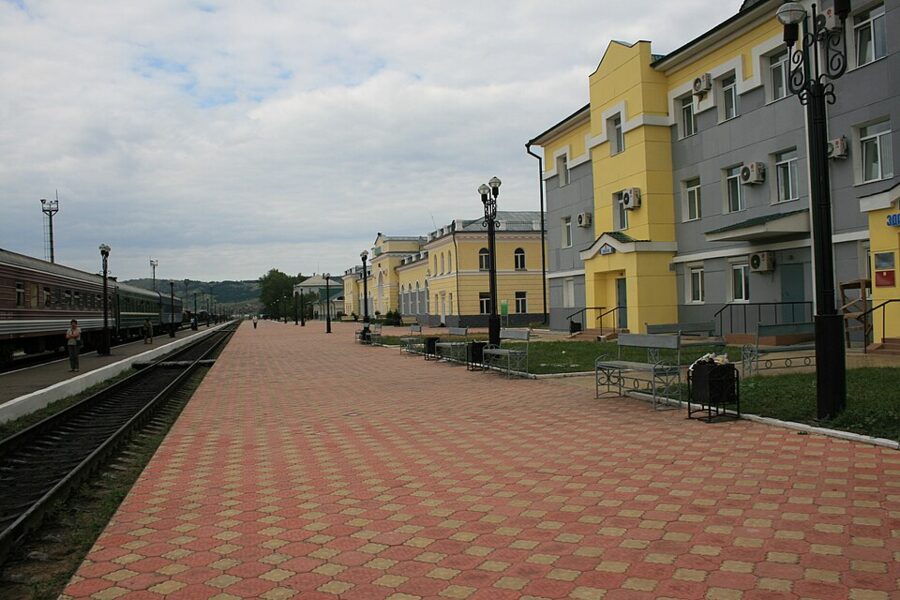
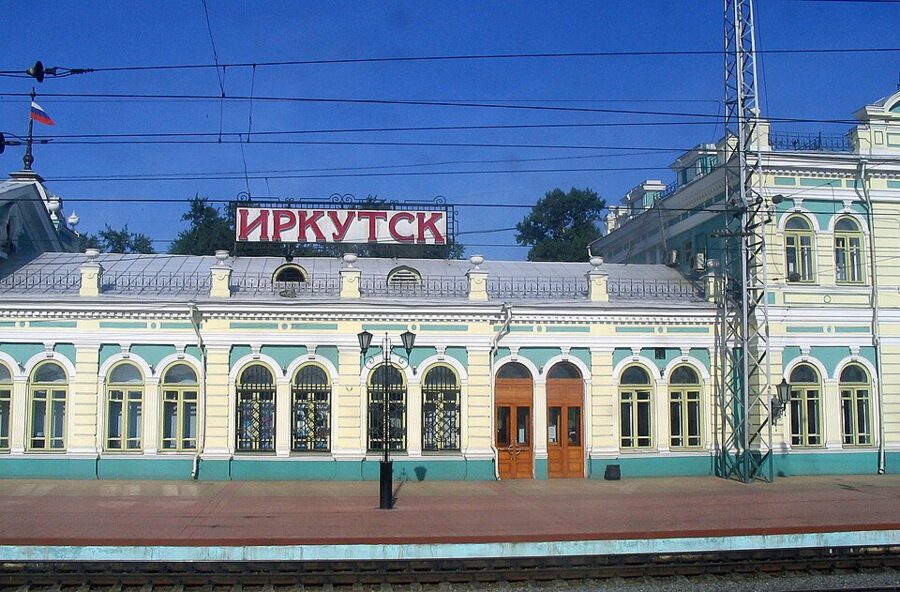
Irkutsk is where the train stops and where most people get off it, so it helps to know what the city is for. It sits on the Angara River about 70 kilometers from the lake, and it is the gateway to Listvyanka on the shore, an hour away by road, and to Olkhon Island, the big island halfway up the western side.
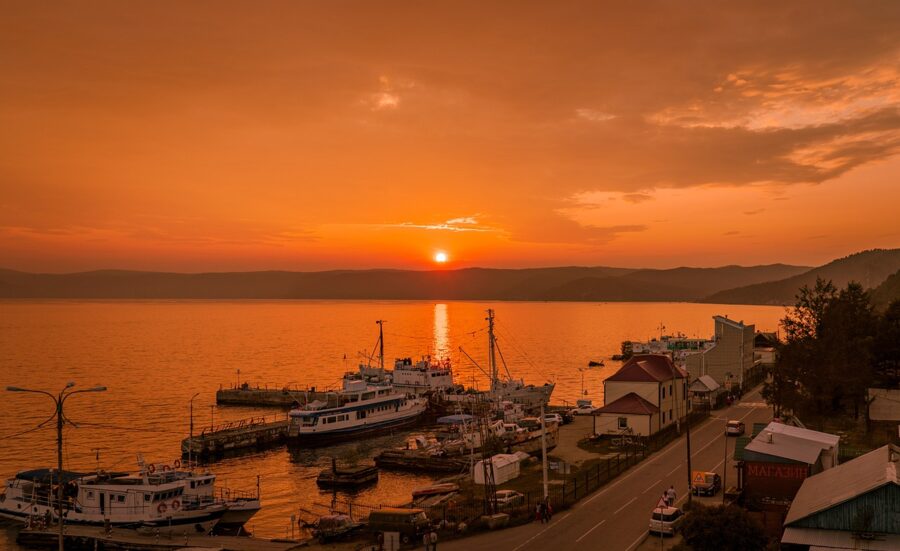
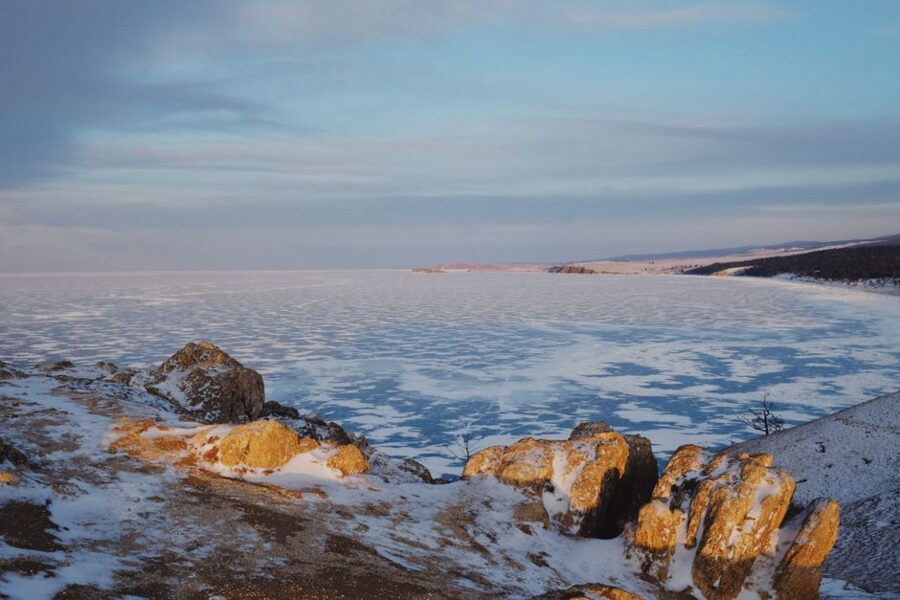
The timing of the restart is not an accident. The famous clear blue ice of Baikal is best from late January to about mid-March, when the ice is thickest and the bubbles frozen into it show best. The Erenhot ticket office expects demand for the train to peak around February.


The ice is also dangerous. Early in 2026 vehicles carrying tour groups overturned or broke through the ice in fatal accidents, and the Chinese consulate in Irkutsk issued repeated warnings about hidden cracks. Go with a licensed operator, use the hovercraft services rather than a car on unopened ice, and do not walk out alone.
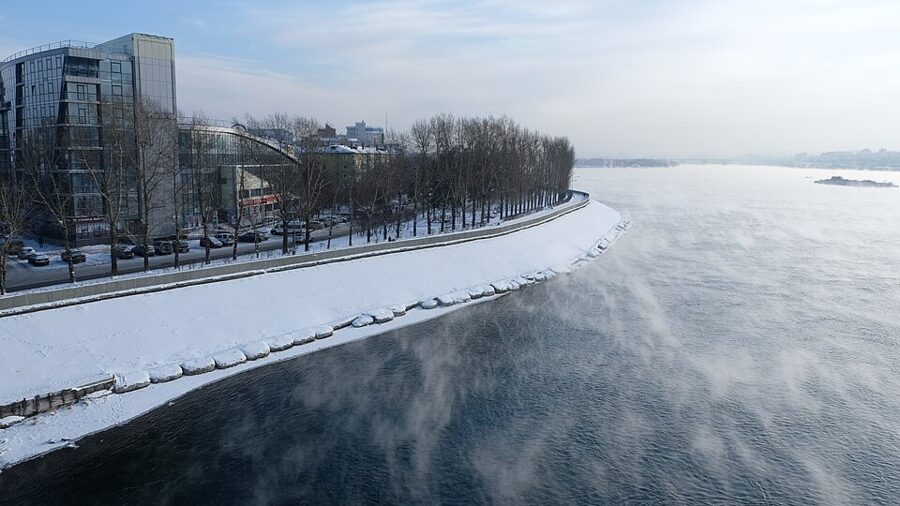
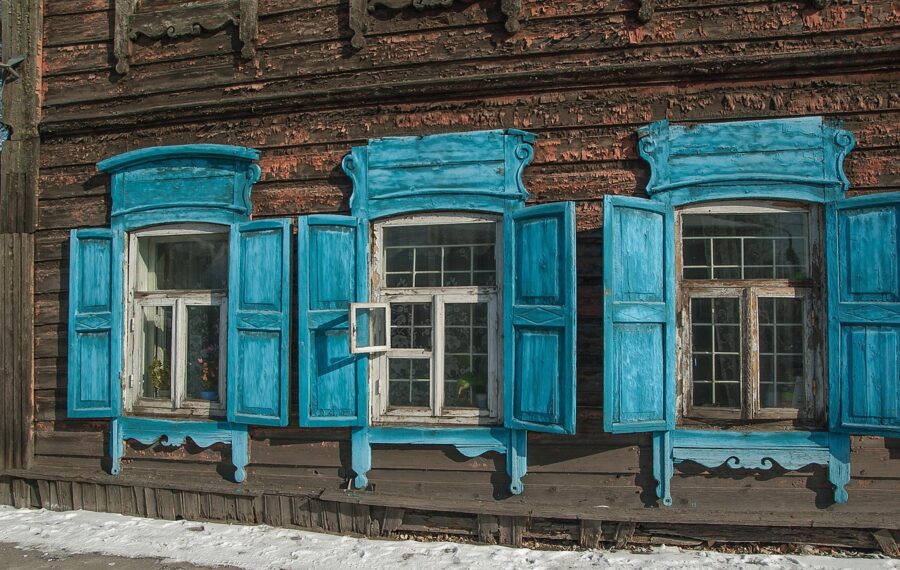
Irkutsk itself deserves a day before or after the lake. Its old quarter keeps rows of wooden houses with carved window frames, and the Angara embankment is a good walk in any season. If you are flying home, the direct flight from Irkutsk to Beijing takes a little over three hours.
Shorter ways to ride it
You do not need a Russian visa, or 55 hours, to ride the best of this line. The Chinese grassland, the bogie change and the Gobi all happen before Ulaanbaatar.
Beijing to Ulaanbaatar only
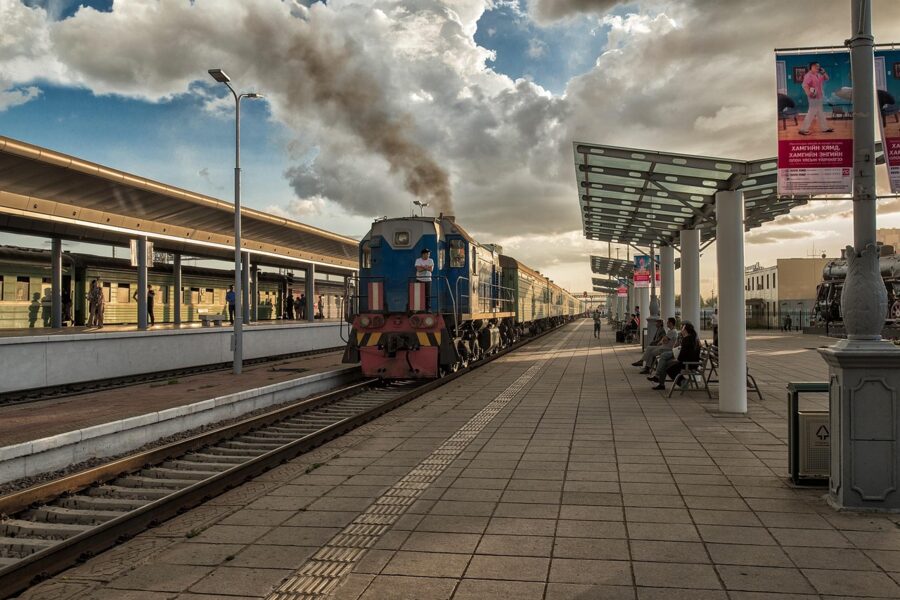
Either weekly train will do: K23 on Tuesday or V3 on Wednesday, both leaving at 07:27 and reaching Ulaanbaatar the next day at 14:35. That is one night, one border and about 31 hours. Book at the same Dongdan office, and fly back if you are short of time.
Hohhot, Erenhot and the border on your own
There is also a slower, cheaper and more interesting way that does not depend on the Beijing office at all. Hohhot (呼和浩特), the capital of Inner Mongolia, has its own international service to Ulaanbaatar, restored on March 15, 2024: through cars attached to a domestic train, leaving Hohhot on Mondays and Fridays and crossing at Erenhot. China Railway has listed its hard sleepers at about 1,220 yuan for the full run, and tickets are sold at the stations in Hohhot, Jining South and Erlian.
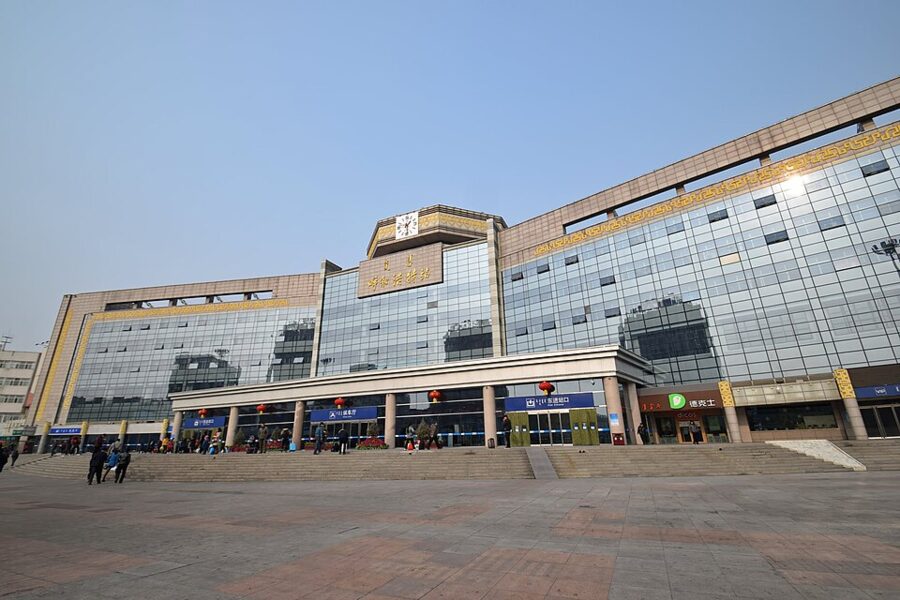

The fully independent version splits the trip at the border. Take a domestic train or bus to Erenhot, then a cross-border bus to Zamyn-Uud, 4.5 kilometers away (about 40 yuan in 2026 reports; you cannot walk across). Buy a ticket at Zamyn-Uud station for the Mongolian overnight train to Ulaanbaatar, which leaves in the evening and arrives the next morning after about 15 hours.
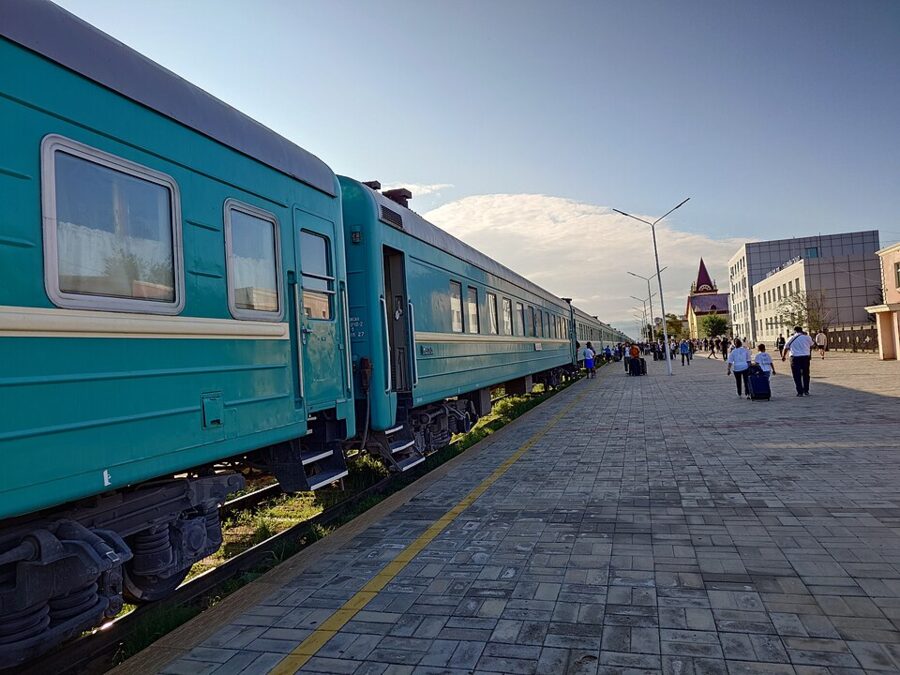

Mongolian Railways’ own cars are older Soviet and East German stock, clean and orderly, with fares paid in Mongolian tugrik. A traveler report from October 2025 put a bunk in a four-berth compartment at the equivalent of about 145 yuan and one in a two-berth compartment at about 290 yuan. Bring tugrik in cash, and change money before you cross.
A middle way is to buy the short international ticket from Erlian to Zamyn-Uud, reported at 66 yuan in 2026, and then pay the Mongolian staff on board for the rest of the way. It saves the bus and the border queue on foot, but there is no guarantee of a berth, and in summer you may sit up all night.
Whichever way you go, the train that matters still leaves Beijing at 07:27 on a Wednesday, and for the first time in almost seven years it goes on into Russia. Moscow will have to wait. Baikal, frozen and blue in February, is a better place to end up anyway.