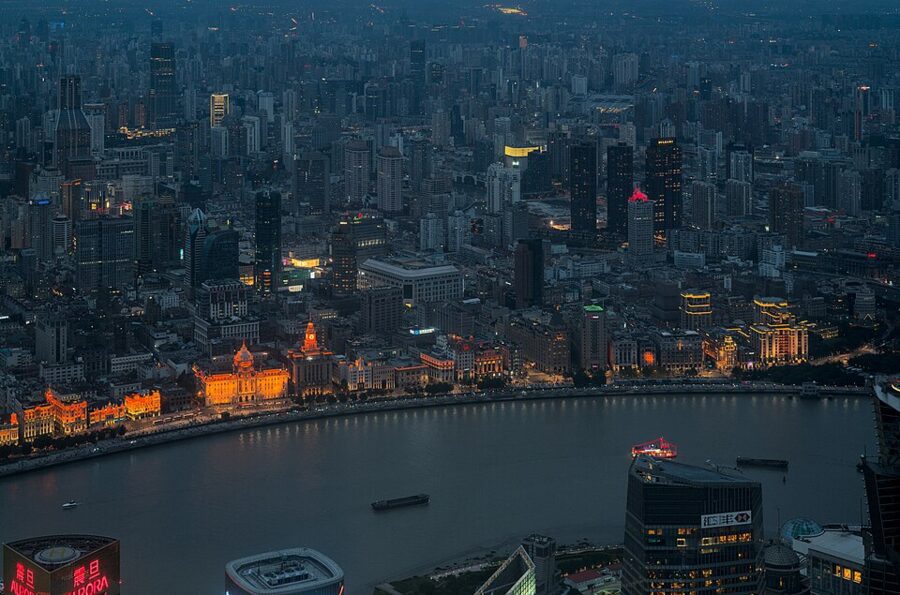

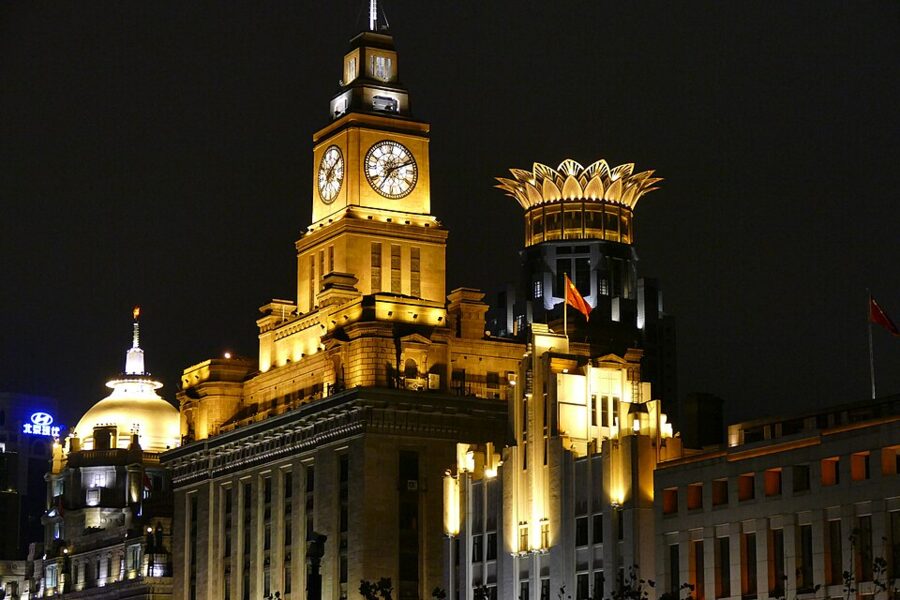
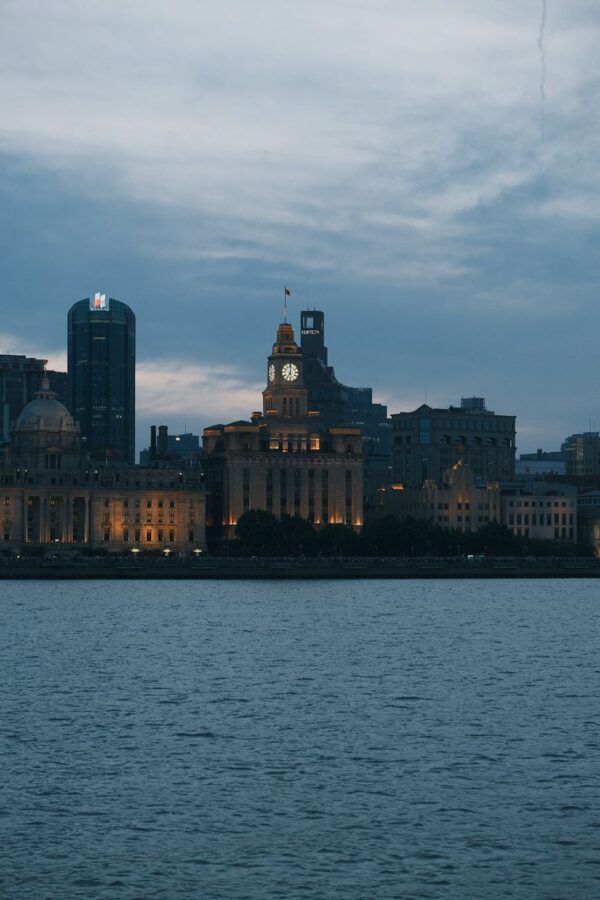
On the hour, the Customs House bell strikes and the Bund lights up, not all at once but building by building. The floodlights on its 38 riverfront banks, clubs and hotels are wired in groups that switch on a fraction of a second apart, to spare the grid a single surge, so the glow runs along the river in about ten seconds. In summer that happens at 19:00, in winter at 18:00. On one August evening in 2026, forty thousand people stood on the waterfront to watch it.
Shanghai (上海) is easier to read than its size suggests. It is three cities laid side by side: a walled Chinese county town that stood for three and a half centuries, the foreign concessions that grew up north and west of it after 1843, and the financial district on the east bank that was mostly fields and warehouses until 1990. Nearly everything a first visit is for sits within those three, and the river runs between them.
I’d give it four days: one for the Bund and the old city, one for the lanes of the former French Concession, one for museums and one for a water town. Three will do without the water town, though I wouldn’t drop it. Plan around two inconvenient closing days: Monday for most sights, and Tuesday for the Shanghai Museum’s building in Pudong.
On this page
- A walled county town, two concessions and a river
- The Bund, building by building
- Inside the old walls: Yuyuan, the City God and the lanes
- The former French Concession and its lane houses
- Museums, and what each one is for
- Eating Shanghai on its own terms
- Getting in, getting around, booking ahead
- Three or four days, in order
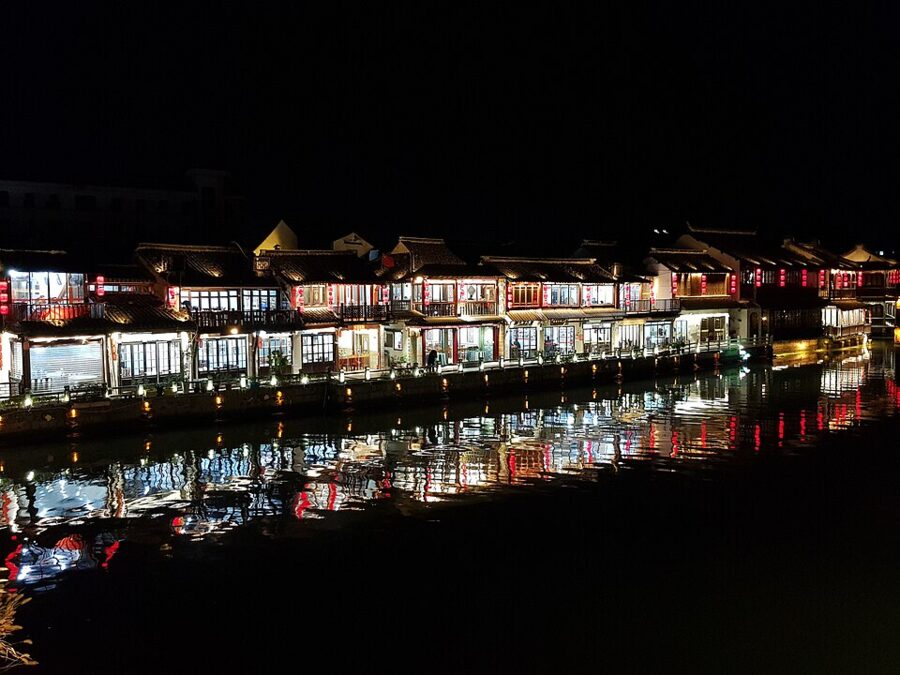
- A day at Zhujiajiao
A walled county town, two concessions and a river
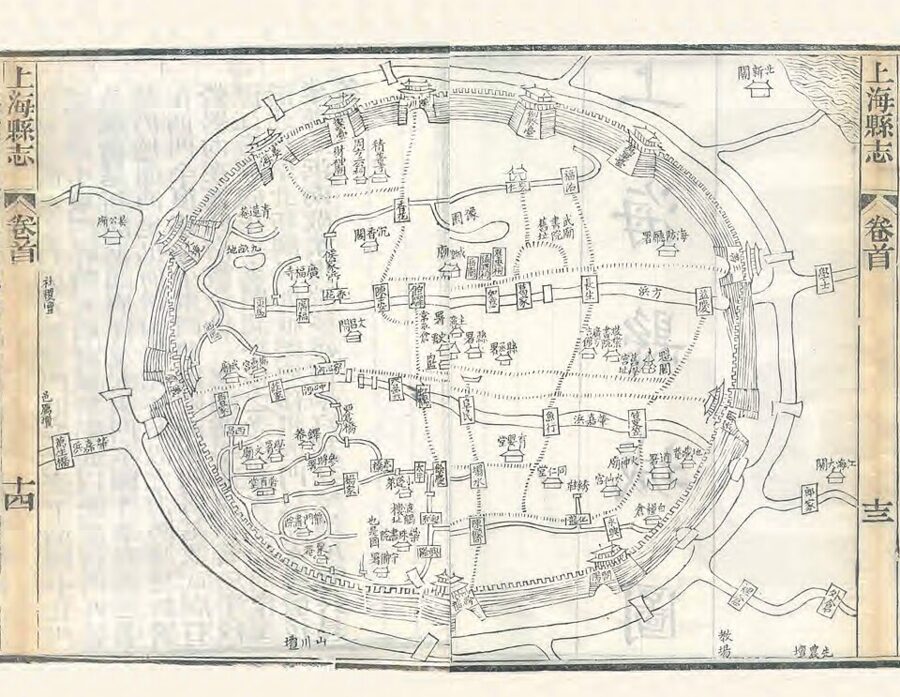
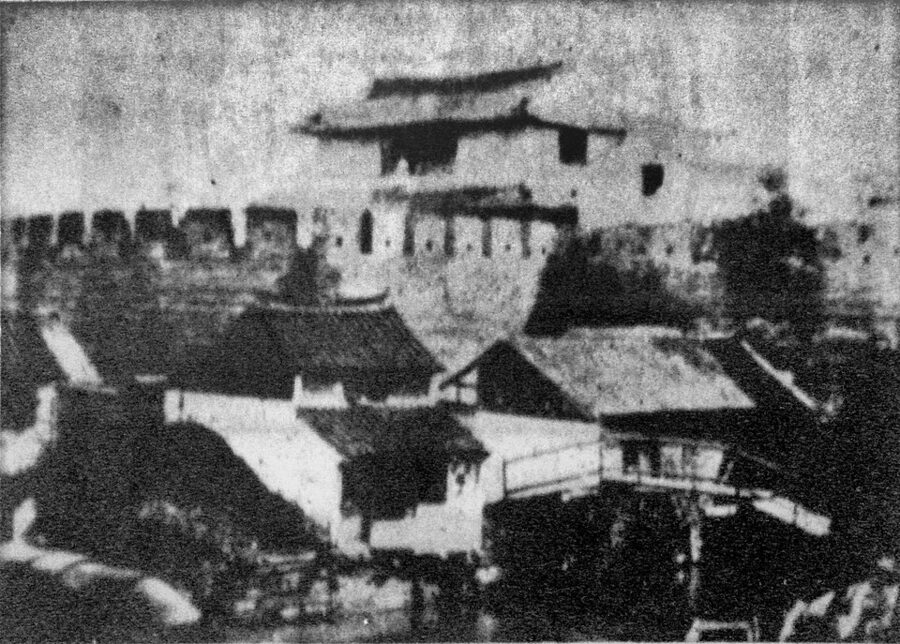
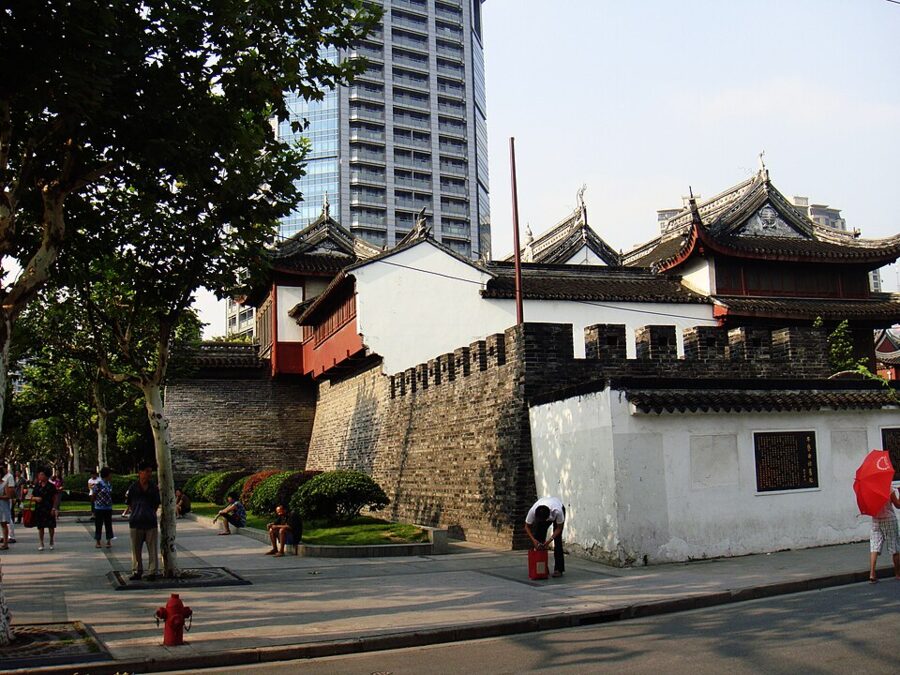
Shanghai became a county in 1292, a market town where cotton and rice moved along the canals of the Yangtze delta. In 1553, after the pirates known as wokou (倭寇) had sacked it repeatedly, the town built a wall in three months: nine li around, about five kilometers, with six gates. When the wall came down after the 1911 revolution, its line became two roads, Renmin Road and Zhonghua Road, and the oval inside is still called the laochengxiang (老城厢), the old walled town.
The second city began on November 17, 1843, when Shanghai opened as one of the five treaty ports forced on the Qing by the Treaty of Nanjing. Land regulations agreed in 1845 put the British on a strip of riverbank north of the walls, outside Chinese jurisdiction. The French took their own concession between the wall and the British in 1849, and in 1863 an American settlement merged with the British one to form the International Settlement, run by an elected Municipal Council.
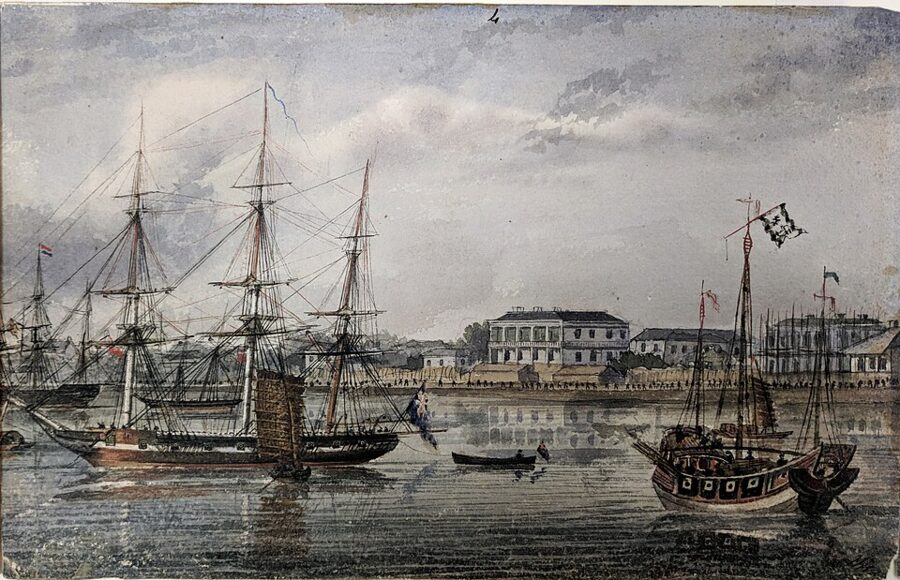
For a century Shanghai was a patchwork. The Chinese town kept its temples and guild halls; the Settlement filled with banks, trading houses and a racecourse; the French Concession grew west in extensions of 1860 and 1914 into a district of plane trees and villas, each with its own police and trams. The concessions ended in 1943, when Britain and the United States gave up their rights and Japan handed the Settlement to its puppet government.

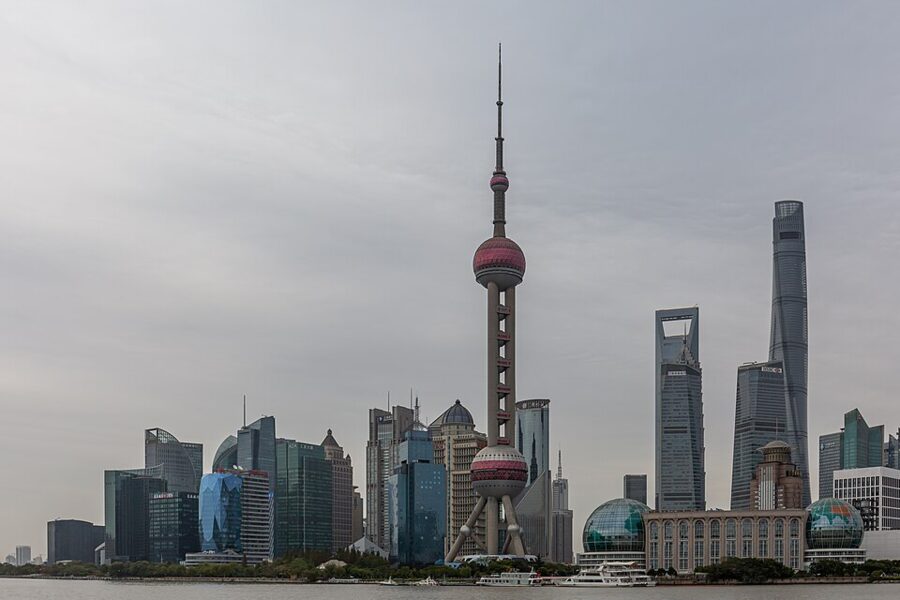
Pudong, the land “east of the Huangpu”, stayed on the wrong side of the river: docks, factories and fields. That changed on April 18, 1990, when the State Council announced its development as a special zone. Everything you see from the Bund was built since.
Reading the map today
Puxi, the west bank, holds the old city, the Bund, People’s Square and the former concessions. Pudong holds Lujiazui’s towers, the Shanghai Museum’s new building and the main international airport. Suzhou Creek (苏州河) crosses the north of Puxi and meets the Huangpu at the Garden Bridge; beyond it is Hongkou, where the Jewish refugee quarter stood.
For a first stay, sleep in Puxi between People’s Square and the Bund, or around Xintiandi. Both are walkable to the old city, and Metro Line 2 crosses to Lujiazui in one stop from East Nanjing Road. Lujiazui hotels have the river view, but you spend every evening crossing back.
The Bund, building by building
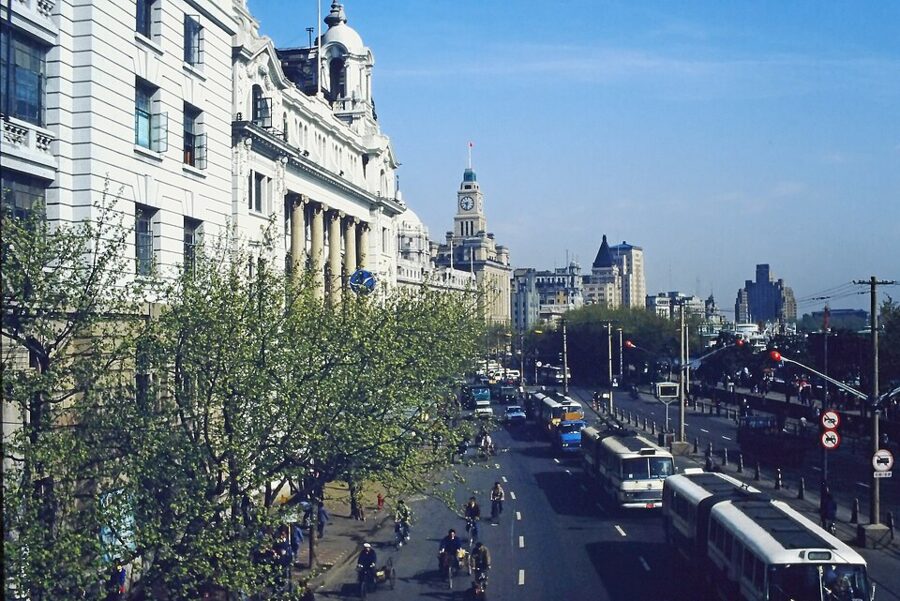
The Bund (外滩, Waitan) is 1.5 kilometers of riverfront from Yan’an East Road north to the Garden Bridge. The word is Anglo-Indian for an embankment; the street’s official name is Zhongshan East No. 1 Road. Its 52 listed buildings, most from between 1900 and 1937, became a national heritage site in 1996.
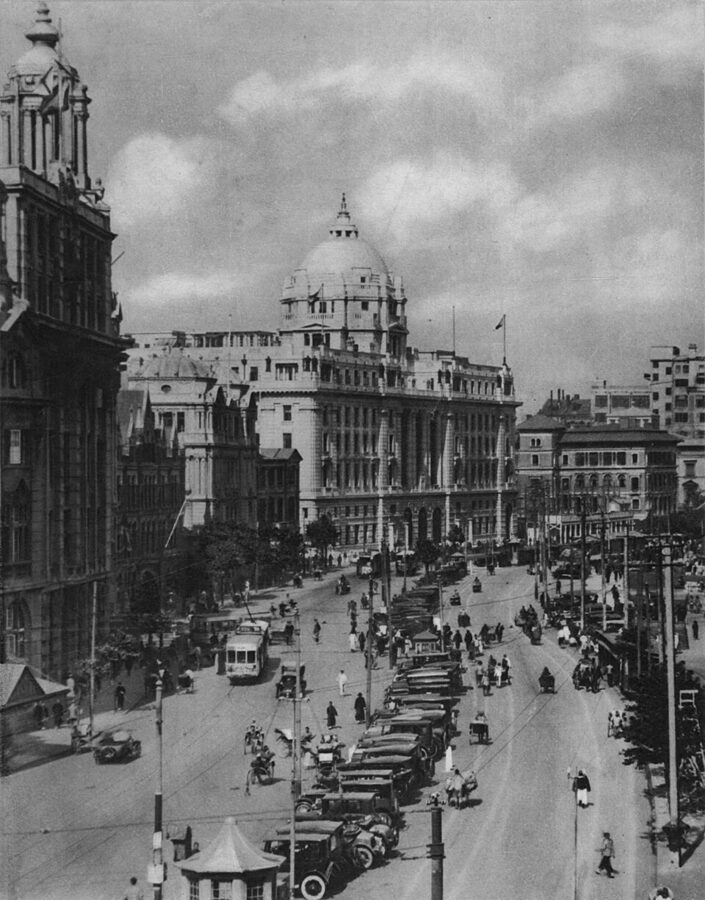
Read it as a single street front, because that is how it was built: banks competing for the most solid stone along a broad quay. The buildings face east and take the morning sun, which makes morning the time for the stonework and dusk the time for the lights.
From the Shanghai Club to the Customs House
At the south end, number 2 is the Shanghai Club of 1911, where the British business elite drank under six Ionic columns; it is now a hotel. A few doors north, numbers 10–12 are the former Hongkong and Shanghai Bank, opened in June 1923 and once called the finest building between Suez and the Bering Strait. Its granite front is crowned by a dome.
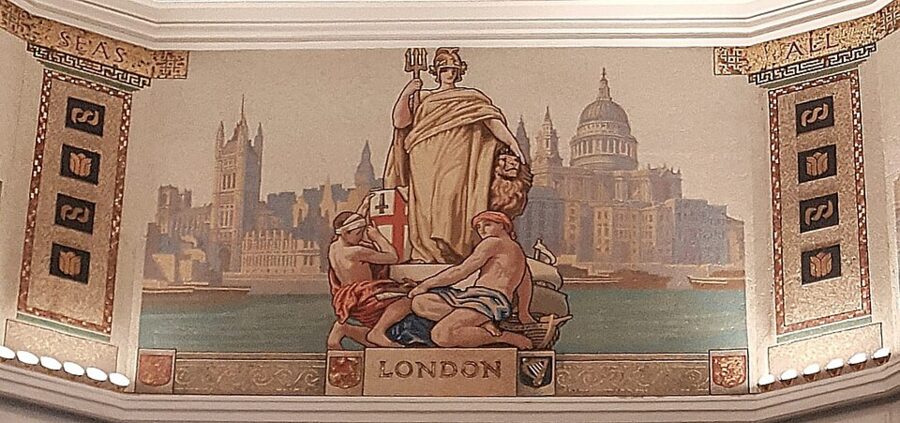
Under the dome is the best interior on the Bund: a ring of mosaics of the bank’s branch cities, from London and New York to Calcutta, Bangkok and Hong Kong. They were plastered over after 1949 and uncovered when the building was restored for the Shanghai Pudong Development Bank, which still uses it.

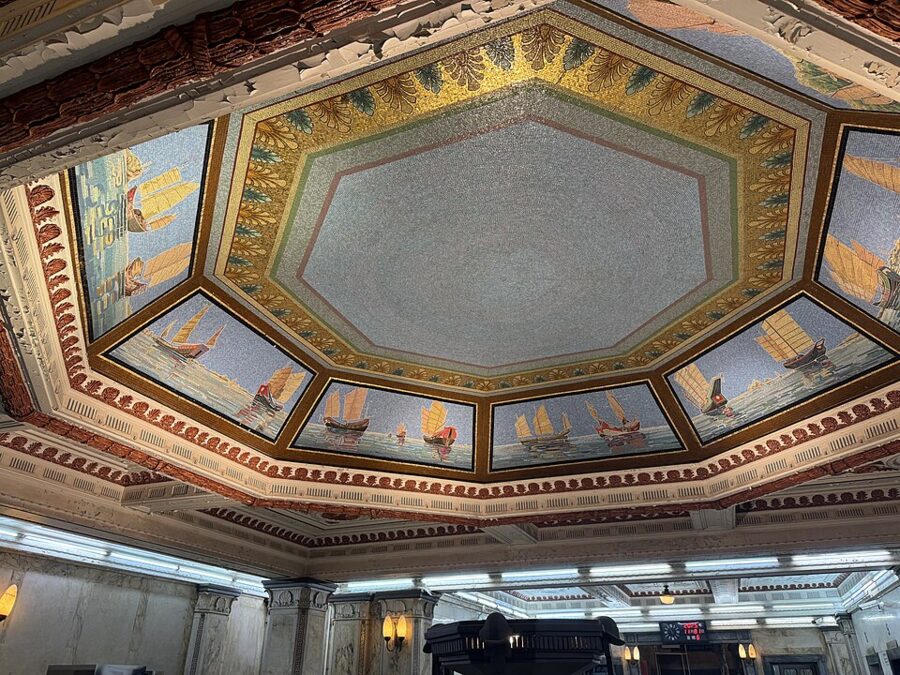
Next door, number 13 is the Customs House, finished in December 1927. Its clock tower rises to 79.2 meters, and its bell, which the British nicknamed “Big Ching”, is the one that rings in the lights. The entrance hall has a mosaic ceiling of junks and sailing ships, a reminder of what the building was for.

Nanjing Road corner to the Garden Bridge
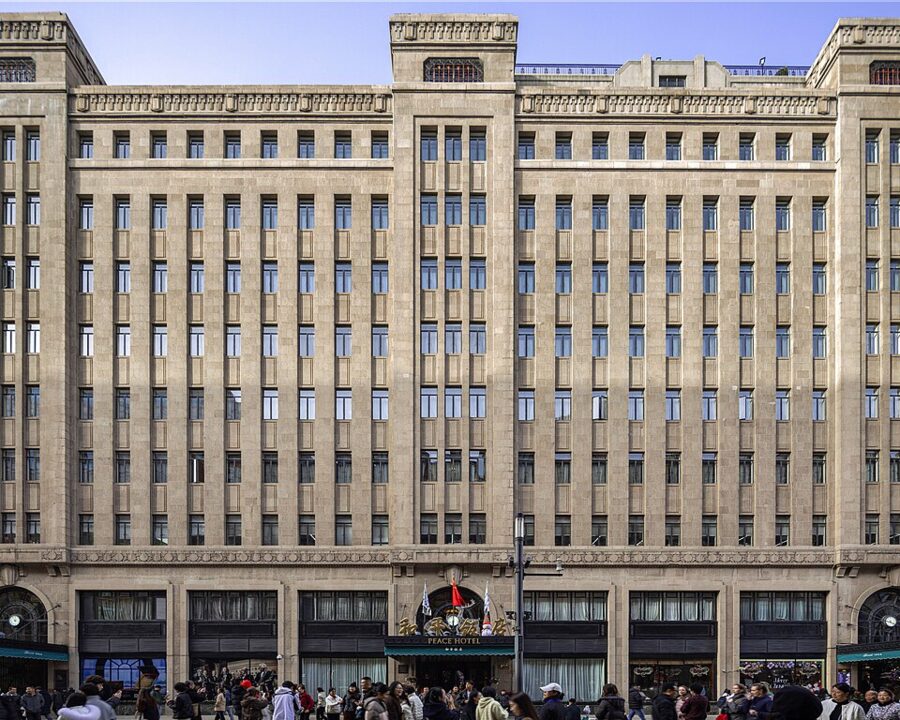
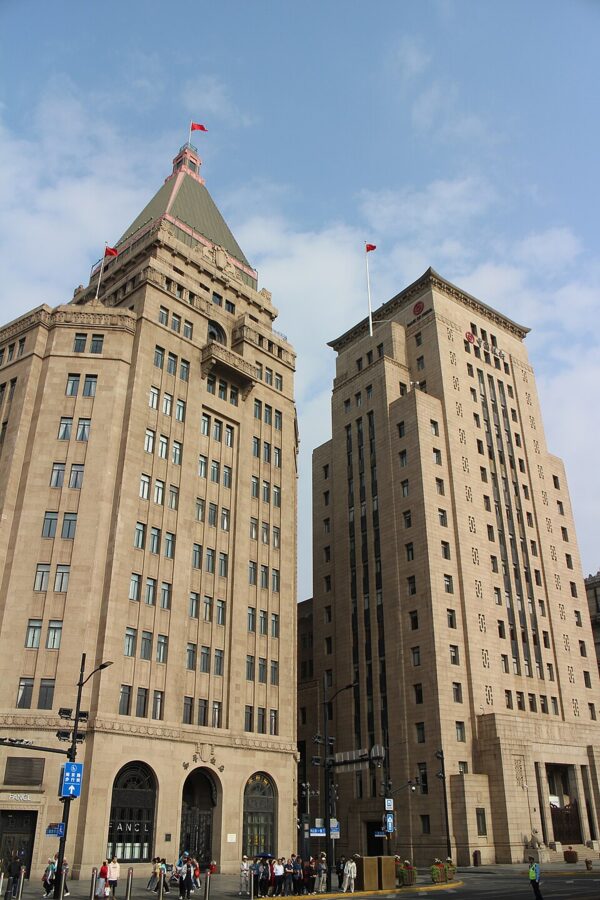
Where Nanjing East Road meets the river stands the Peace Hotel, which is two buildings: the Palace Hotel of 1908 on the south corner, and Sassoon House, finished in 1929 for the Baghdadi Jewish tycoon Victor Sassoon, on the north. Sassoon’s tower, with its green copper pyramid, opened as the Cathay Hotel and was the most fashionable address in the city until the war.

Its neighbor at number 23 is the Bank of China, begun in 1936 and finished only in 1944. It is the one large building on the Bund designed by a Chinese architect, Lu Qianshou, working with the British firm Palmer and Turner, and it shows in the Chinese pyramid roof and the lattice motifs worked into the stone.
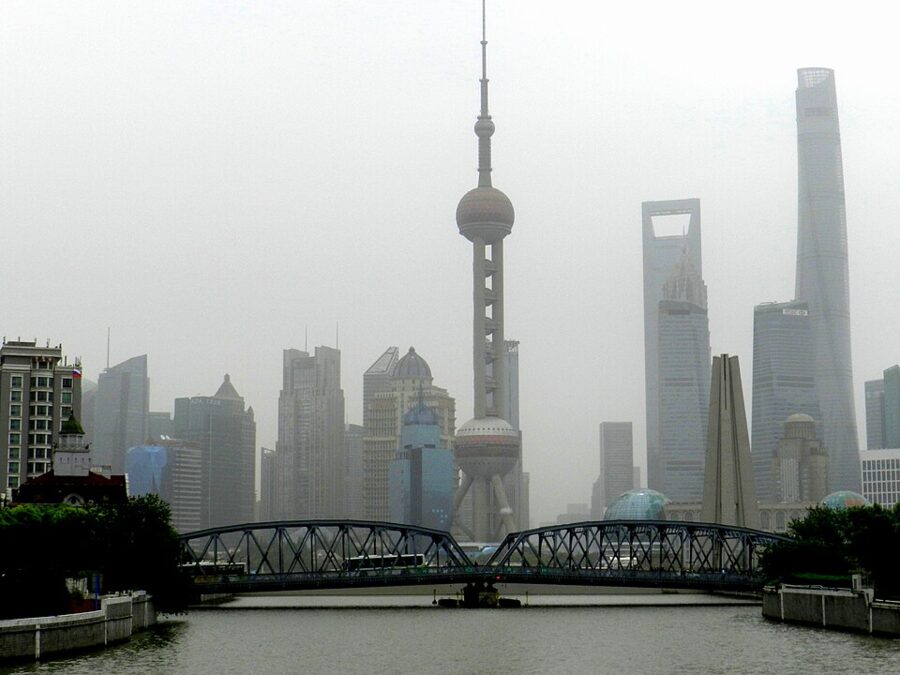
The north end belongs to the Garden Bridge (外白渡桥, Waibaidu Qiao), the steel truss of 1907 over Suzhou Creek. It replaced a wooden toll bridge of 1856 and was China’s first all-steel riveted bridge, 104 meters long. Beyond it rises the brick ziggurat of Broadway Mansions (1934); on the near bank, fifteen restored buildings of 1920–1936 around the old British consulate garden make up the Bund Origin (外滩源).

Lights, ferries and the view across
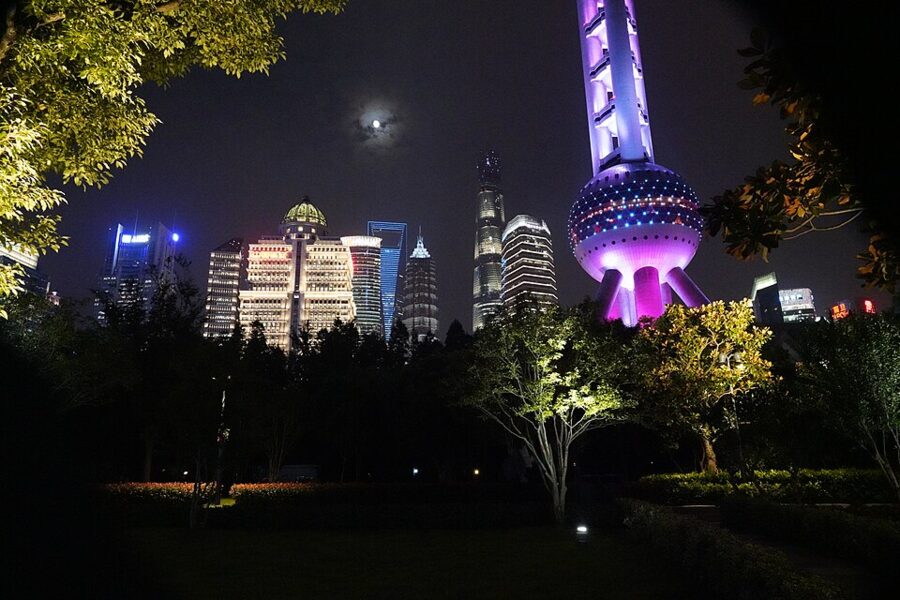
The lighting schedule for the Bund, the North Bund and Lujiazui runs 18:00–22:00 in winter and starts at 19:00 in summer, and it shifts for holidays and big events: during the import expo in November 2026 the lights came on at 17:30 one night and stayed on until 23:00 on two others. The promenade is free and, on a Saturday evening in October, shoulder to shoulder.
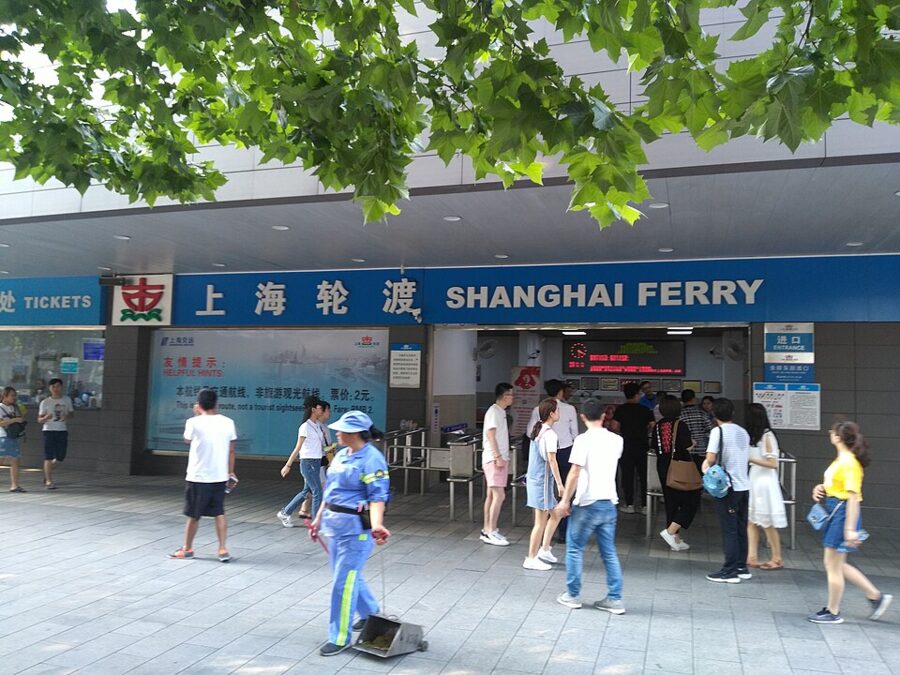
The cheapest river crossing is also the best. The Jinling East Road ferry leaves from just south of the Bund for Dongchang Road in Pudong, about ten minutes for 2 yuan, paid by transport card, phone code or bank card. It runs from 07:00 to about 18:15, so take it in the late afternoon and come back by metro after dark.

Lujiazui from the top
Four towers stand on the Lujiazui bend, and each has a viewing floor. The Oriental Pearl Tower of 1994 is 468 meters of concrete legs and pink spheres, with its main deck at 263 meters and tickets from about 199 yuan. The Jin Mao Tower (1999) and the World Financial Center (2008, with a skywalk at 474 meters) stand side by side. The Shanghai Tower, finished in 2016, has its observatory on the 118th floor at 546 meters, open 08:30–22:00, about 180 yuan.
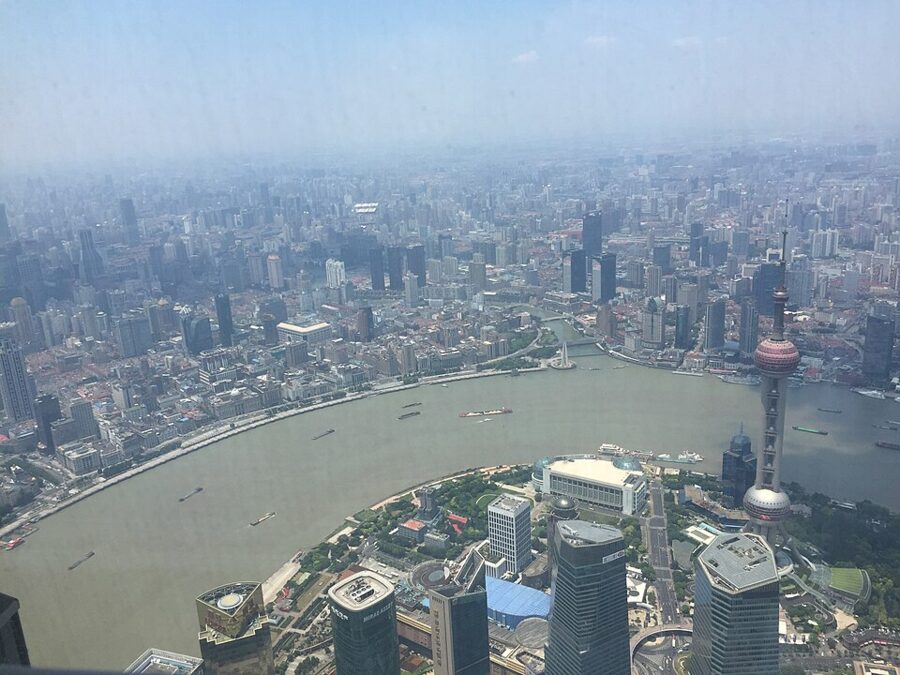

If you go up one, make it the Shanghai Tower, an hour before sunset so you see the city by day and then lit. The Pearl is better looked at than looked from. One note for late 2026: the riverside Museum of Art Pudong is closed from November 16 to December 15 for a change of exhibitions.

Inside the old walls: Yuyuan, the City God and the lanes
Walk south from the Bund for fifteen minutes and you are inside the old oval. Its center is three things that are easily confused: Yuyuan Garden itself, a walled private garden with a ticket; the free Yuyuan Bazaar around it, rebuilt in Ming and Qing style; and the City God Temple at its north edge.
Yuyuan Garden
Yuyuan (豫园) was begun in 1559 by Pan Yunduan, a Shanghai official who rose to be provincial administrator of Sichuan, as a place for his aging father to enjoy; the name means roughly “the garden of contentment”. It took him more than twenty years. The designer, Zhang Nanyang, piled 14 meters of yellow Wukang stone into the Great Rockery north of Sansui Hall, the oldest yellowstone rockery left in the Jiangnan region.
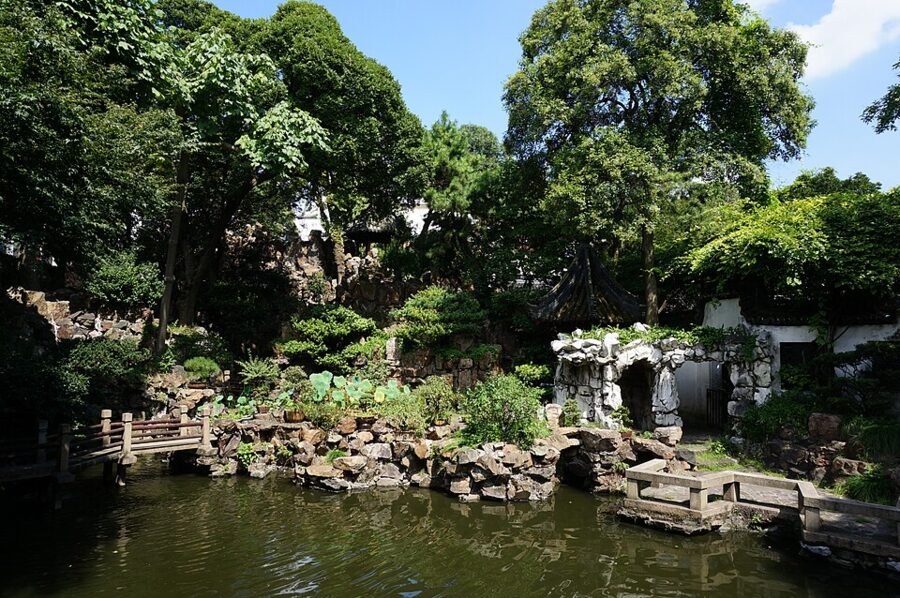

The garden had a hard nineteenth century. British troops camped in it in 1842, and in 1853 the Small Swords Society, rebels allied to the Taiping, seized the walled city and made Dianchun Hall their headquarters for seventeen months; the fighting that ended the rising burned much of the garden. What you walk through, about two hectares in six sections, is largely a restoration from the 1950s on.
Its prize is a single rock. The Exquisite Jade (玉玲珑, Yulinglong) is a three-meter limestone column so full of holes that incense lit beneath it is said to smoke from every opening. It is one of the three great rocks of Jiangnan, with Suzhou’s Guanyun Peak and Hangzhou’s Zhouyun Peak.
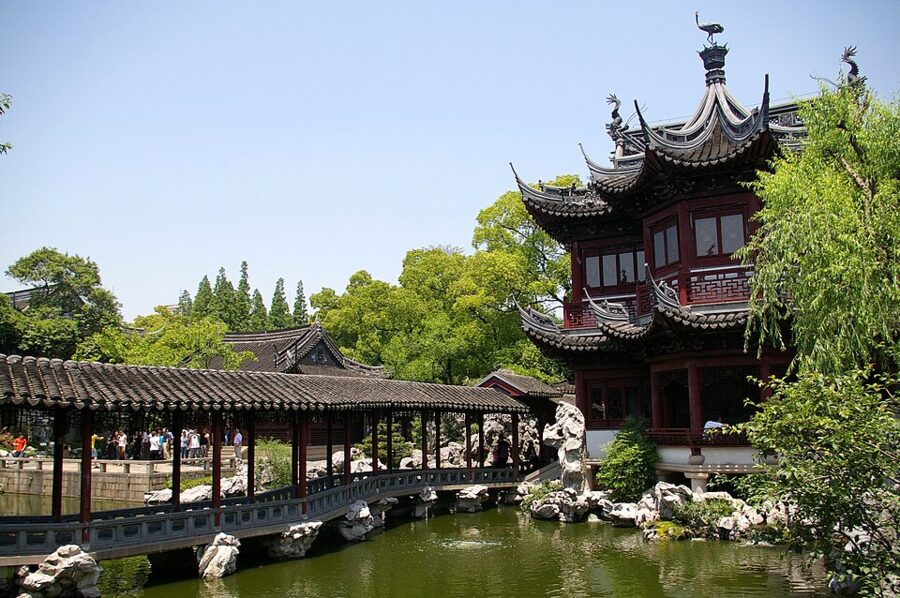

Yuyuan’s visiting rules are simple. It opens 09:00–16:30, last entry 16:00, and closes every Monday except public holidays. Tickets are 40 yuan from April to June and September to November, 30 yuan otherwise, at the gates or on the “上海豫园” WeChat mini program. Use the north gate at 168 Fuyou Road and arrive at 09:00; by eleven the rockery paths are single file.
Every winter the bazaar hangs its lantern show for the New Year and the Lantern Festival. The 2026 show ran from January 26 to March 3 and drew six million people. The Lantern Festival in 2027 falls on February 20; the dates of the 2027 show are not yet published.
The teahouse, the bazaar and the City God
The zigzag Nine-Turn Bridge crosses the pond outside the garden’s south gate to the Huxinting (湖心亭), the “mid-lake pavilion”, a two-story Qing building that has been a teahouse for well over a century. From its upper windows you look down on the bridge rather than being part of its crowd. If a friendly stranger in the bazaar invites you to a “tea ceremony” elsewhere, decline; the bill is the point.
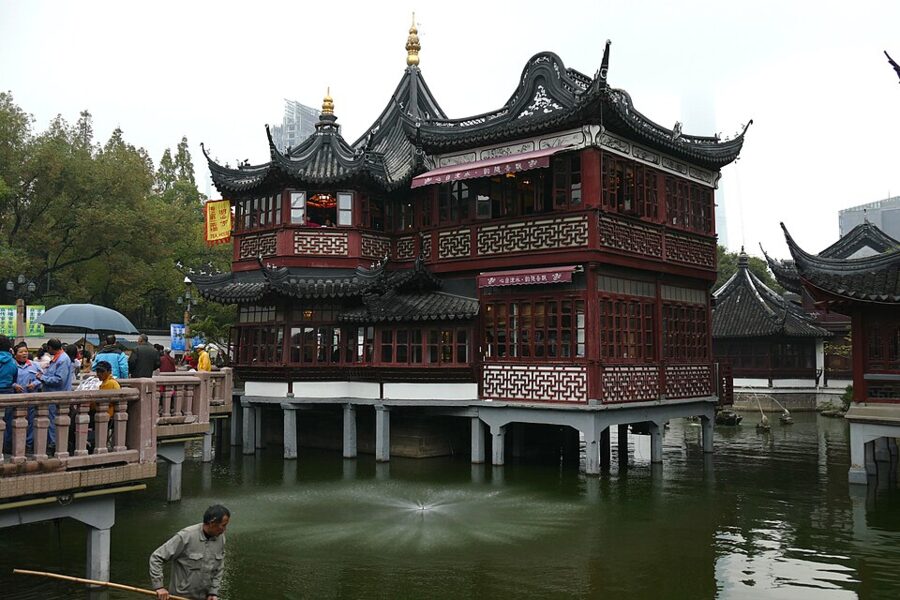
The bazaar’s buildings are mostly reconstructions of the 1990s, and I’d use it for food and skip the rest. The exception is the City God Temple (上海城隍庙) on Fangbang Middle Road, founded in the Yongle reign (1403–1424) when the magistrate turned a shrine to the Han general Huo Guang into the temple of the city’s own god, the Yuan official Qin Yubo.
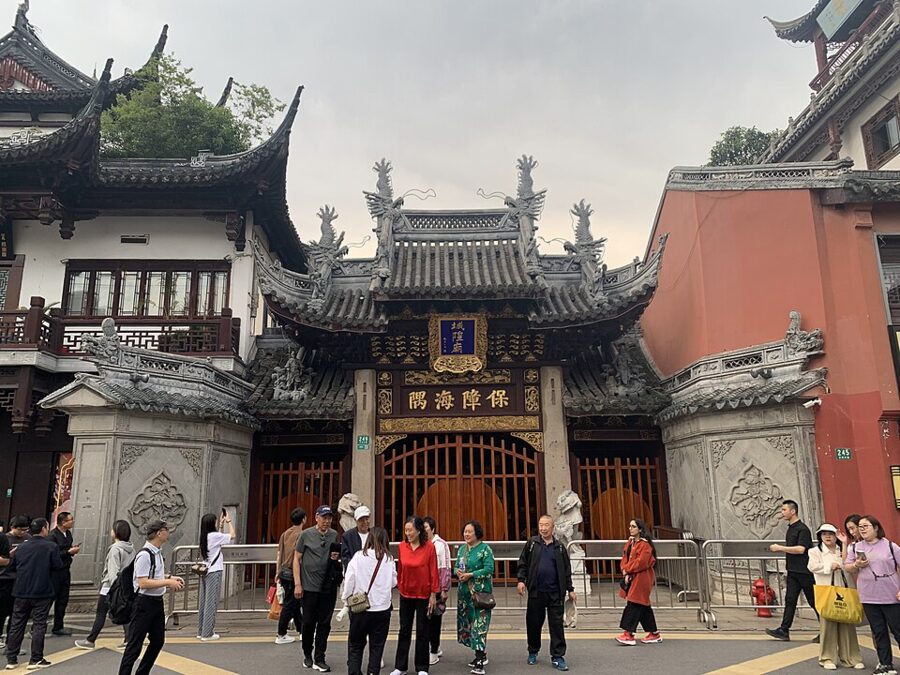

City gods sit where Daoism and folk religion meet, and Zhengyi Daoist priests run the temple today. It was restored in 1994 and reopened for worship in January 1995. Entry is 10 yuan, 08:30–16:30, opening at 06:00 on the first and fifteenth of each lunar month, when locals crowd in with incense.
The lanes that remain
Fangbang Middle Road was a creek until 1913; its western half was rebuilt in 1999 as “Shanghai Old Street”, with teahouses and antique shops behind Qing-style fronts. Walk it west and keep going. Past Henan South Road the rebuilding stops, and the side lanes still have laundry on bamboo poles, though much of the old city has been cleared since the 2010s.
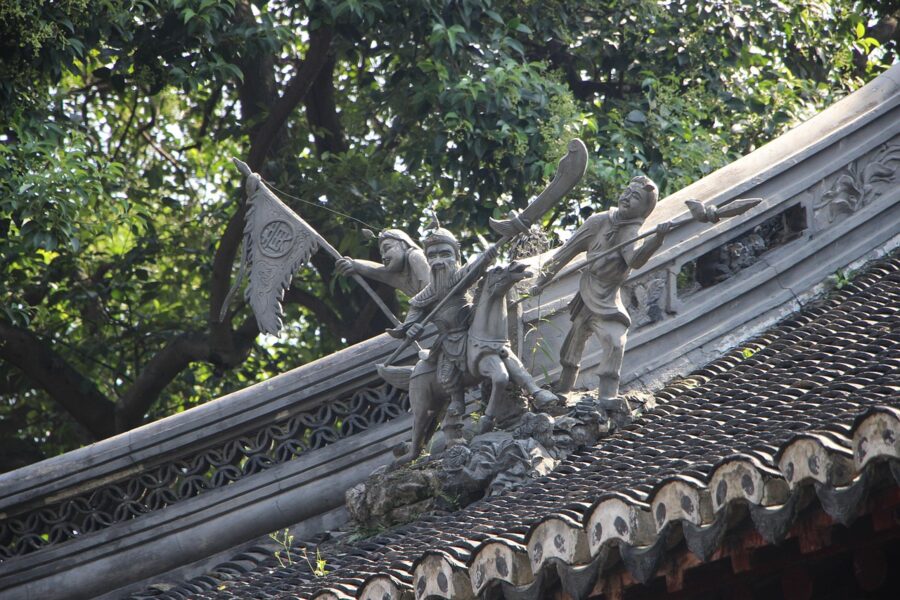
End at the northwest corner of the oval, at the Dajing Pavilion (大境阁) on Renmin Road: the last surviving stretch of the 1553 wall, with a three-story pavilion of 1815 on top. It escaped the demolition of 1912 for a mundane reason. The office in charge of filling the moat had its headquarters inside.

The former French Concession and its lane houses
West of the old city lies the district everyone still calls the French Concession, though it ceased to be one in 1943. It grew from 66 hectares in 1849 to close to ten square kilometers after the extension of 1914, and its council planted the plane trees and laid out the long, quiet streets that make it the best walking in Shanghai.
Shikumen and lilong: how Shanghai lived
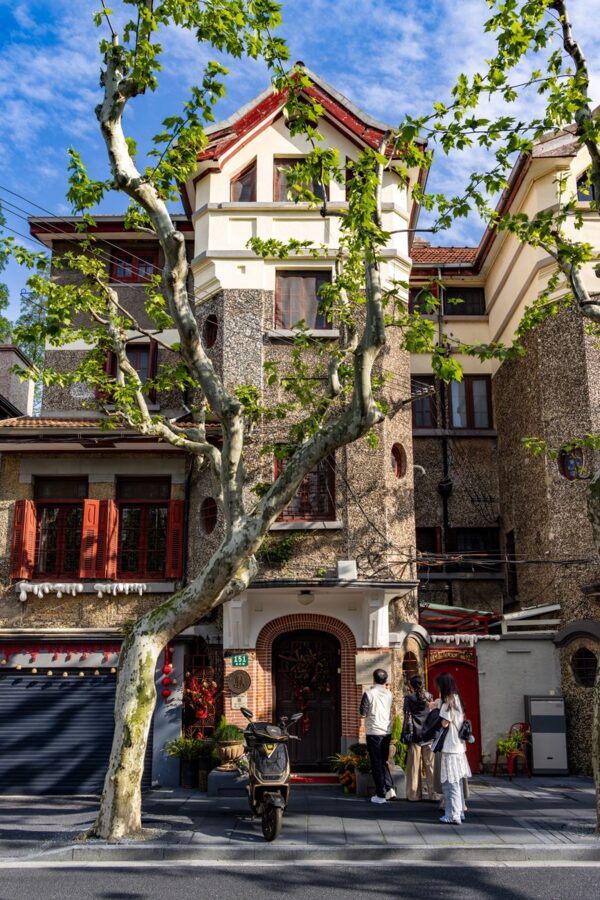
Most of old Shanghai lived not in villas but in lilong (里弄), lanes of terraced houses entered through a gate from the street. The typical house was the shikumen (石库门), the “stone-gate” house: two stories, a small front courtyard, a black-lacquered door in a stone frame, and a carved lintel mixing Chinese and European ornament. They appeared in the 1870s, after the Taiping war had driven refugees into the concessions by the hundred thousand.
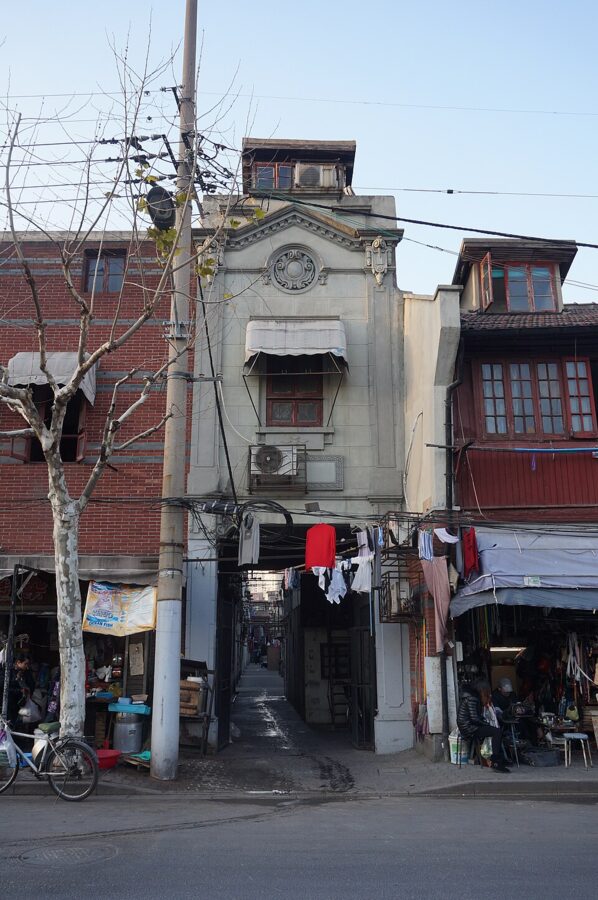

Each house was built for one family and by the 1940s often held five or six. The tingzijian (亭子间), a small room over the kitchen at the turn of the stairs, was rented to so many students and struggling writers that “tingzijian writers” became a literary label. About 2.4 million square meters of shikumen still stand, and many are still lived in.
Xintiandi and the First Party Congress
Xintiandi (新天地) is what a developer made of two shikumen blocks: the Hong Kong company Shui On opened it in 2001, keeping the brick shells and gutting the interiors for restaurants and shops. In the north block, the Shikumen Open House Museum at House 25 furnishes a 1920s home room by room, the quickest way to see how the plan worked.
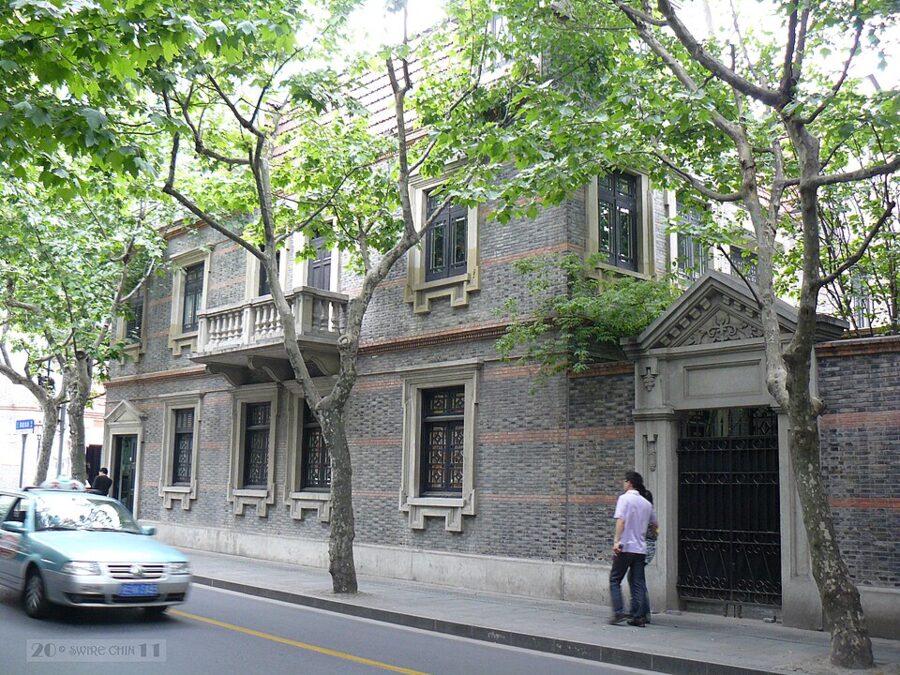

Across Xingye Road is the reason the area was preserved at all. At 106 Rue Wantz, now 374 Huangpi South Road, thirteen Chinese delegates and two Comintern representatives opened the First National Congress of the Communist Party of China on July 23, 1921. A police visit broke up the meeting, and the last session was held on a hired boat on South Lake in Jiaxing.
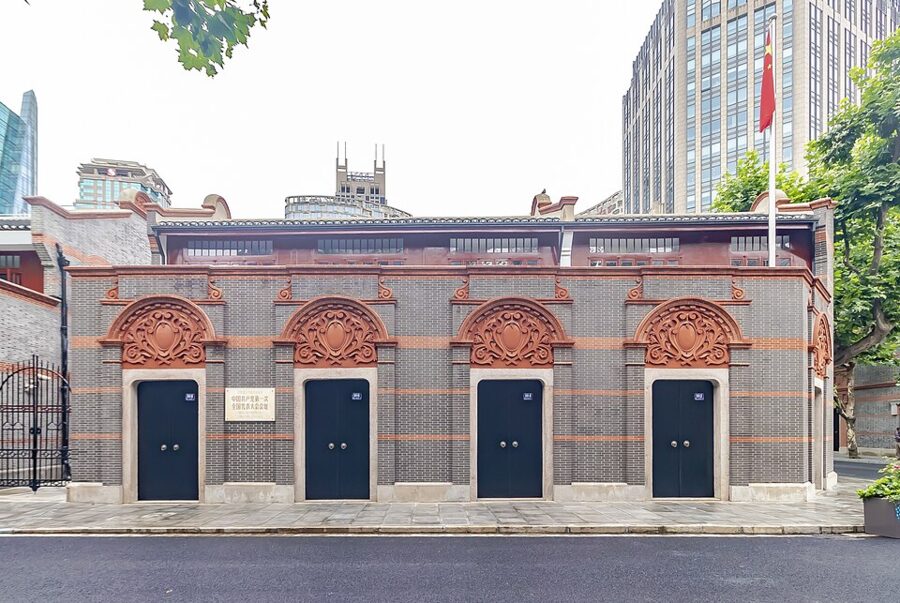

The memorial hall opened in its present form on June 3, 2021. Entry is free but by real-name reservation only, one to seven days ahead on its WeChat mini program; it opens 09:00–17:00, last entry 16:30, closed Mondays. Since March 24, 2026 the restored dormitory where the delegates slept, the former Bowen Girls’ School, can be booked the same way.
Tianzifang, Sinan and Wukang Road
Tianzifang (田子坊), at Lane 210 Taikang Road, is a lilong block that artists began renting in 1998 when its workshops closed; now its three lanes are packed with small shops and cafes. It is free and open all day. Go before 10:00, when it is a neighborhood rather than a queue.
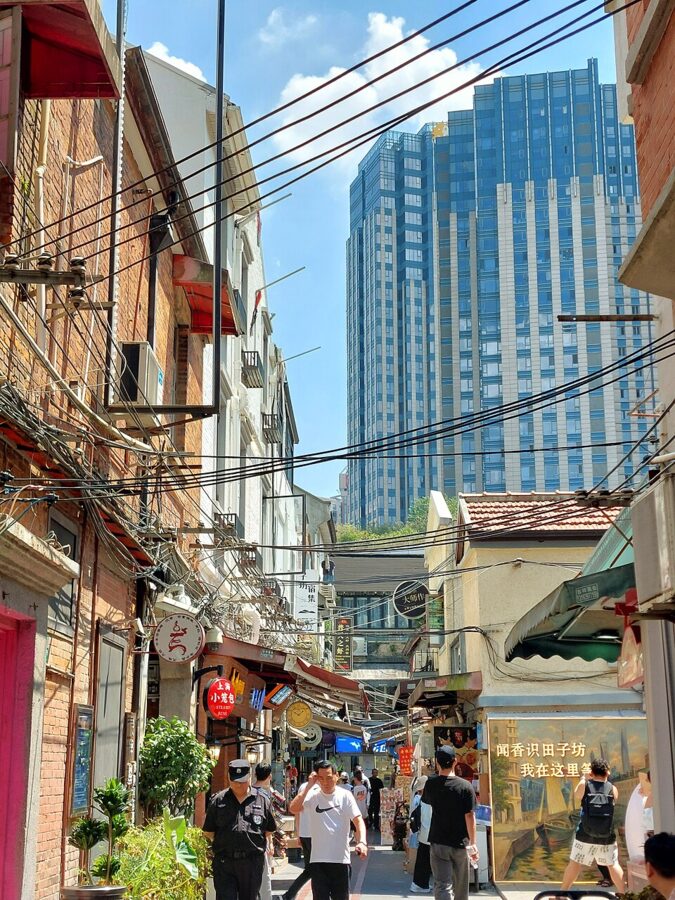

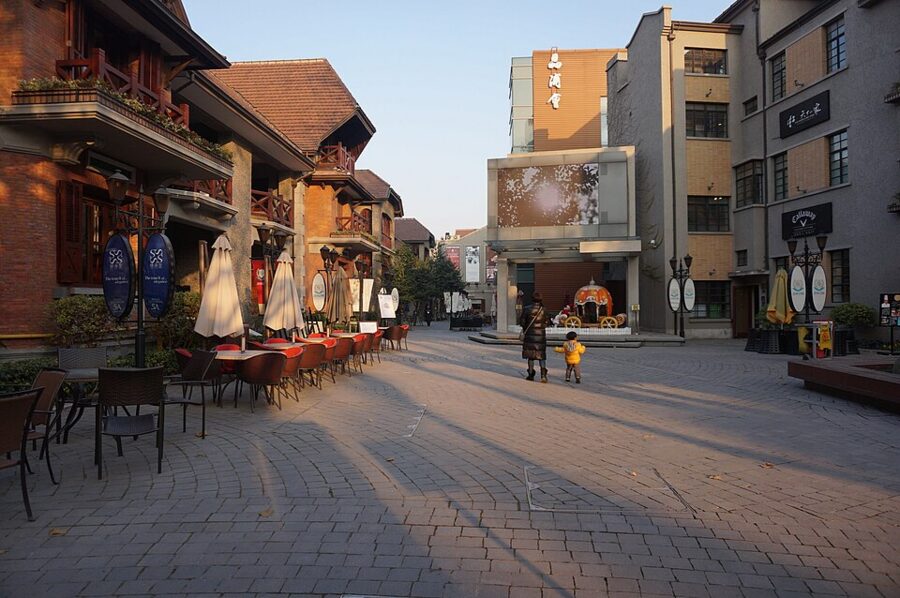
Ten minutes north, Sinan Mansions (思南公馆) is the opposite approach: 51 villas and semi-detached houses around Sinan Road, restored with their gardens. From there take the metro or a taxi west to Wukang Road.

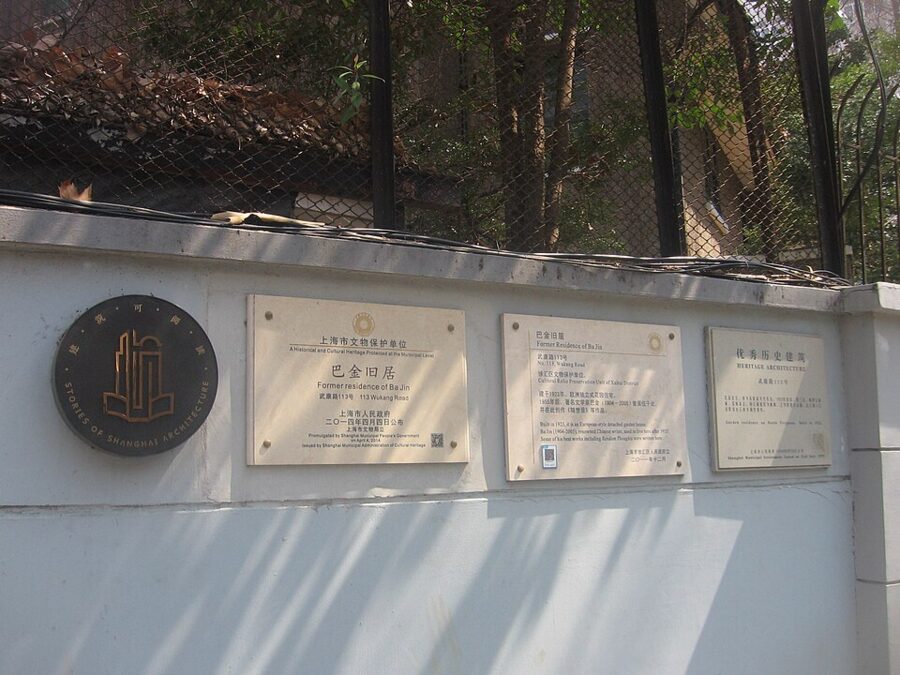
Wukang Road (武康路) was laid out in 1907 as Route Ferguson and renamed in 1943 after Wukang County in Zhejiang. It runs 1.2 kilometers from Huashan Road to Huaihai Road between walled gardens, and the novelist Ba Jin lived at number 113 from 1955. His house is a free museum open 10:00–16:00, but listings disagree on whether it closes on Mondays or Tuesdays, and it shut for repairs over the October 2026 holiday.
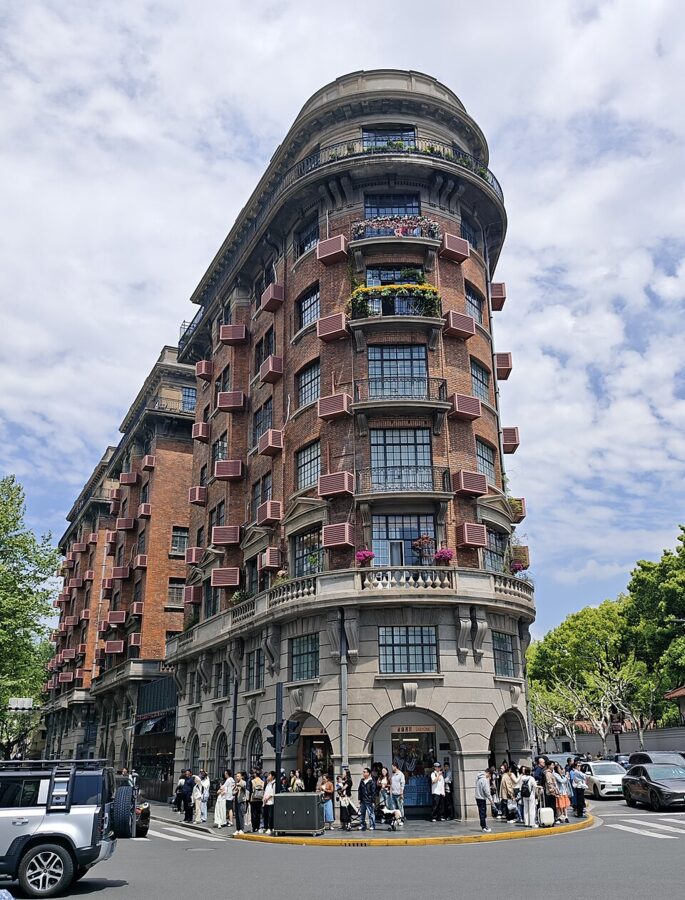
The road ends at Wukang Mansion (武康大楼), designed by the Hungarian-Slovak architect Laszlo Hudec for the International Savings Society and built from 1924 as the Normandie Apartments, an eight-story flatiron of shops below and flats above. It took its present name in 1953 and was restored in 2019. People photograph it from the Huaihai Road corner all day; residents still live inside, so admire it from the street.
Museums, and what each one is for
Shanghai Museum: two buildings, two jobs
The Shanghai Museum has two buildings, and in late 2026 they do different jobs. The 1996 building on People’s Square, round on top and square below after the old image of heaven over earth, is given over entirely to one ticketed show: “Summit of the World Tree: Ancient Civilizations of the Americas” (世界树之巅), on three floors, from July 9, 2026 to November 14, 2027.
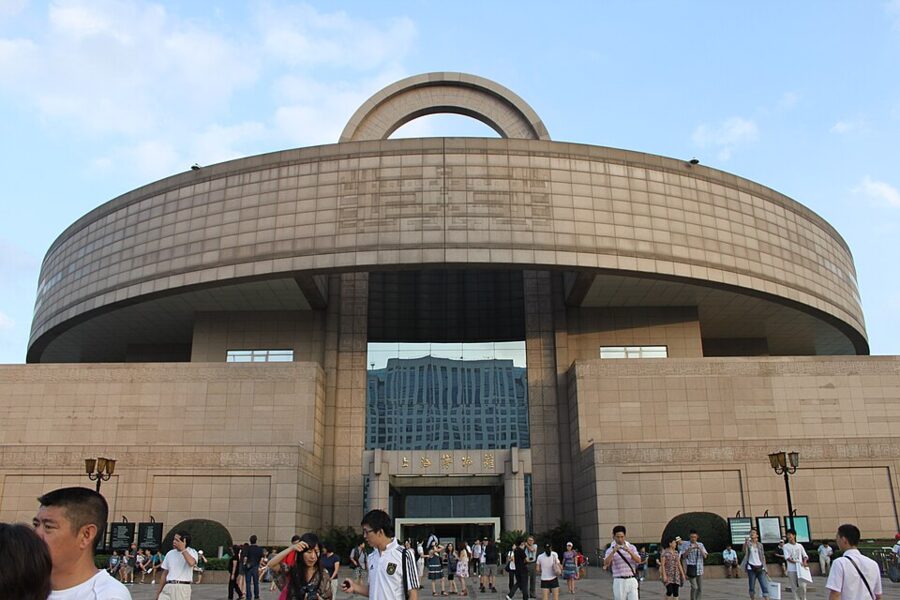
That show needs a timed ticket, 148 yuan at full price, booked on the “上海博物馆参观预约” mini program or the museum’s English booking site, where foreign visitors can register with an email address. It opens 09:00–17:00 from Tuesday to Thursday and on Sunday, last entry 15:00, and until 21:00 on Friday and Saturday; closed Mondays.
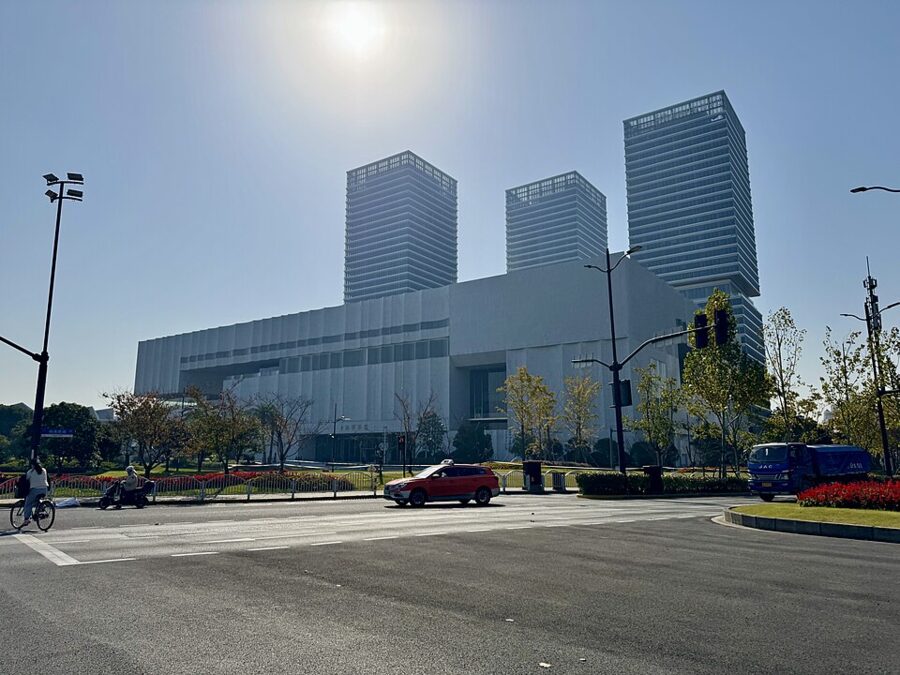
The Chinese collection lives at the Shanghai Museum East, 1952 Century Avenue in Pudong, fully open since December 3, 2024: twenty galleries over six floors of bronzes, sculpture, jade, ceramics, coins, seals, Jiangnan crafts, painting and calligraphy. Entry is free with no booking; bring your passport, enter by the basement east door near Dingxiang Road and scan it at the gate. It opens 10:00–18:00, last entry 17:00, and closes on Tuesdays.

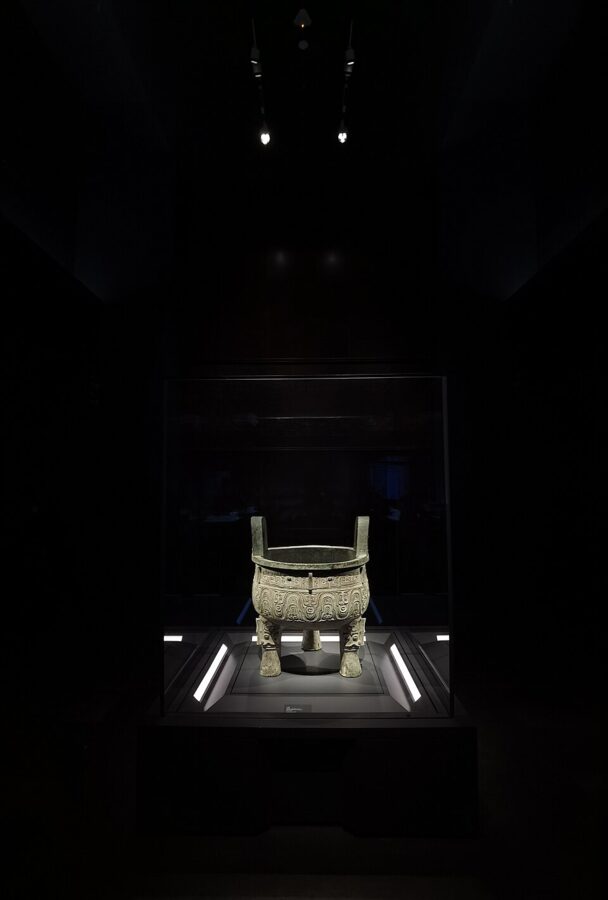
Start with the bronzes, and with one in particular. The Da Ke Ding (大克鼎) is a cauldron cast in the late Western Zhou for a noble named Ke to honor his grandfather, with a long inscription inside recording his appointment by the king. It was dug up in 1890, hidden through the war by the Pan family of Suzhou and given to the state in 1951, and it is on China’s list of objects that may never leave the country for exhibition.

Two notes for this winter. The painting and calligraphy galleries closed on September 28, 2026 for a rehang, with no reopening date announced, so if flower-and-bird painting and the scroll masters are your reason to come, check first. Meanwhile a free exhibition of jewelry from the Metropolitan Museum of Art in New York runs on the first floor from November 18, 2026 to May 5, 2027. Audio guides cost 20 yuan in Chinese and 40 yuan in other languages.
Shanghai History Museum
To understand the concessions before you walk them, come here first. The Shanghai History Museum occupies the clubhouse of the Shanghai Race Club, a brick and stone building of 1933 at 325 Nanjing West Road; People’s Park and People’s Square next door were the racecourse.
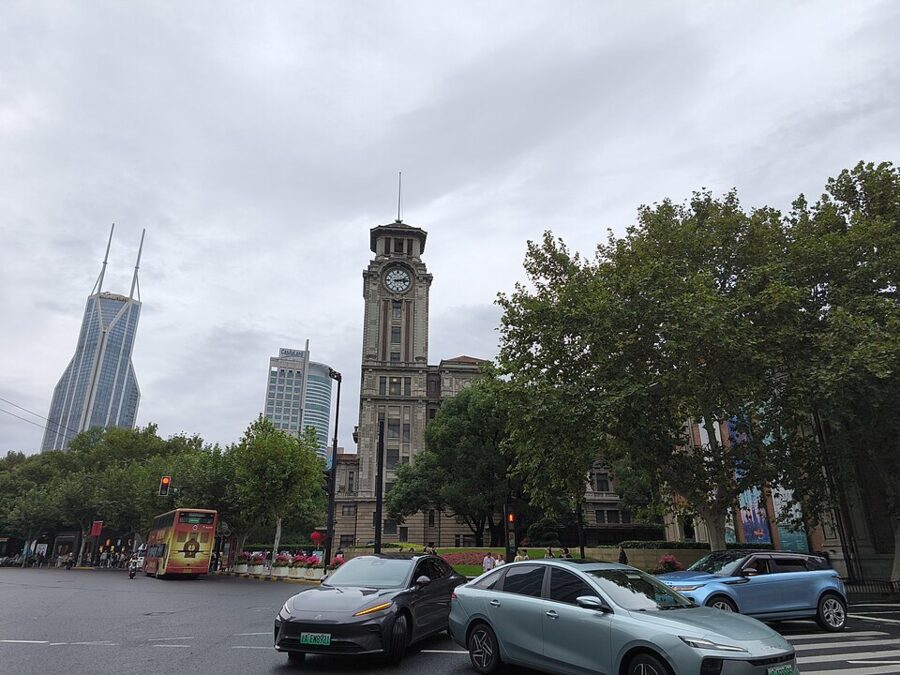

The galleries run from the Neolithic delta to 1949, with the treaty-port century told through objects: a gilded sutra of the Five Dynasties, Xu Guangqi’s manuscripts on farming, a boundary stone of the International Settlement dated 1893. Entry is free without booking, 09:00–17:00, last entry 16:00, closed Mondays.
Shanghai Jewish Refugees Museum
Between 1938 and 1941 roughly 20,000 Jews from Germany, Austria and Central Europe reached Shanghai, one of the few places that required no visa to land. Most settled in Hongkou around Tilanqiao, where rents were lowest, and in 1943 the Japanese authorities confined the stateless among them to a “designated area” there. The Shanghai Jewish Refugees Museum is built around the Ohel Moishe Synagogue, founded by Russian Jews in 1927, and was extended in 2020 into the neighboring houses.
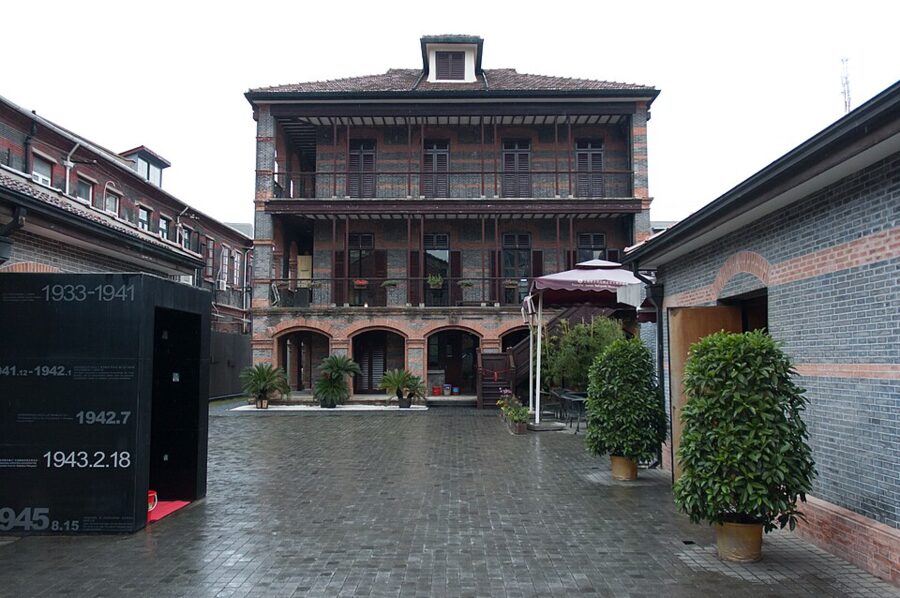

It is small and moving, and it needs about ninety minutes. Entry is 20 yuan, 09:00–17:00, last entry 16:00, closed Mondays, at 62 Changyang Road near exit 1 of Tilanqiao station on Line 12. Afterward, walk the blocks around Huoshan Road, where some refugee-era buildings still stand.

Power Station of Art
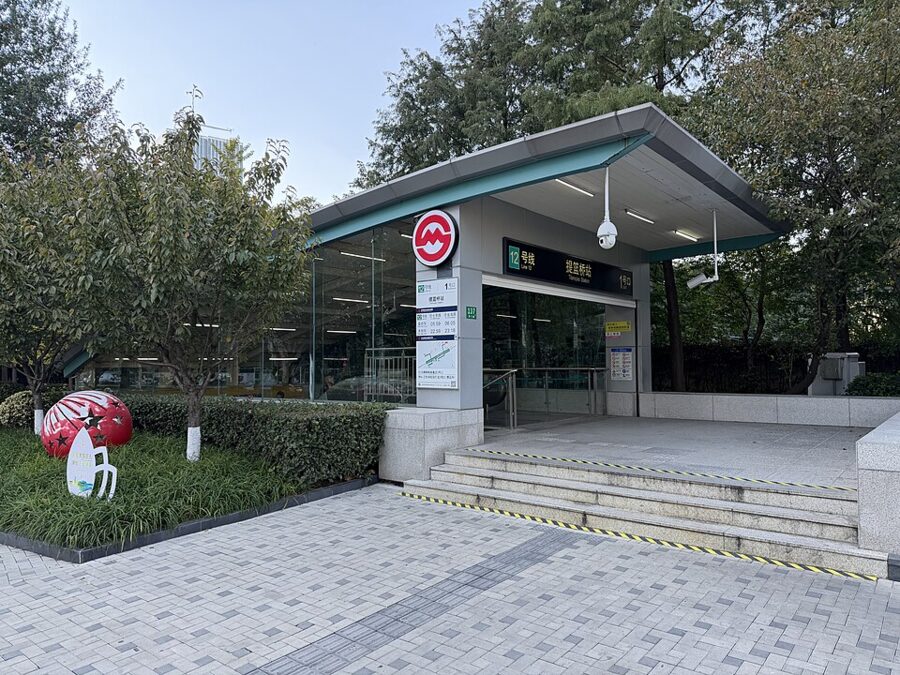
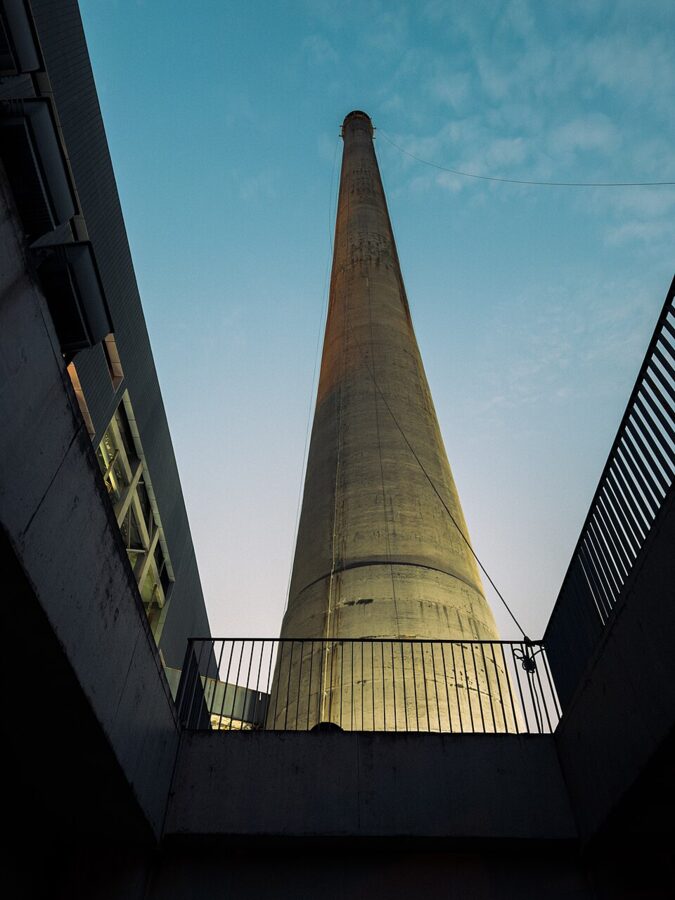
The Power Station of Art (上海当代艺术博物馆) is the old Nanshi power plant on the south riverfront, converted for the 2010 Expo and opened on October 1, 2012 as mainland China’s first state-run museum of contemporary art. It is home to the Shanghai Biennale, and opens 11:00–19:00 from Tuesday to Sunday, last entry 18:00. Its headline show until February 28, 2027 is the first large retrospective of the 2025 Pritzker laureate Liu Jiakun, on the seventh floor for 60 yuan; several other floors are free.

Eating Shanghai on its own terms
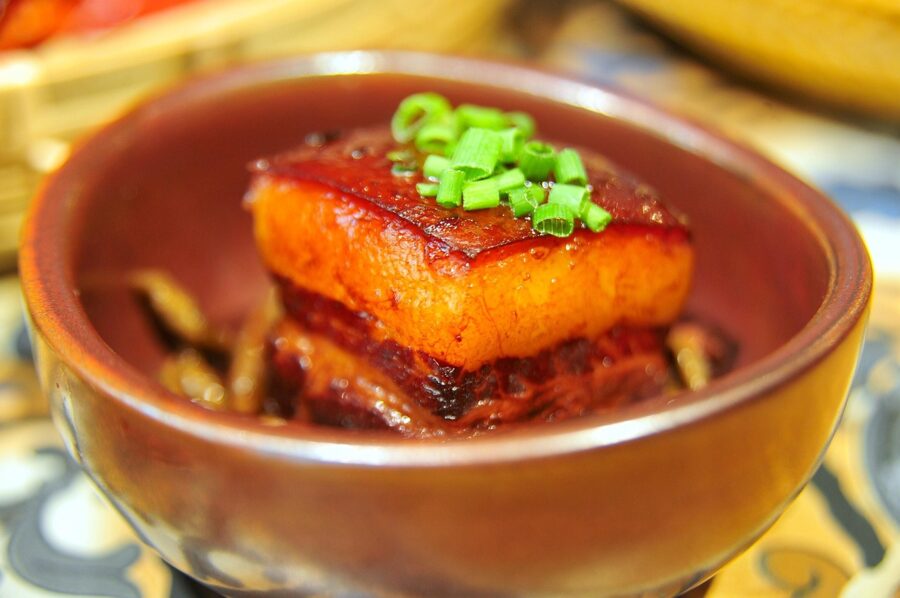
Shanghai’s own cooking is benbang cai (本帮菜), “local-gang food”, as distinct from the dozen regional cuisines the treaty port imported. Its shorthand is nongyou chijiang (浓油赤酱), “thick oil, red sauce”: slow braising in soy sauce, rice wine and rock sugar until the sauce turns glossy and dark. Expect sweetness where you might expect salt.
Dumplings, steamed and fried
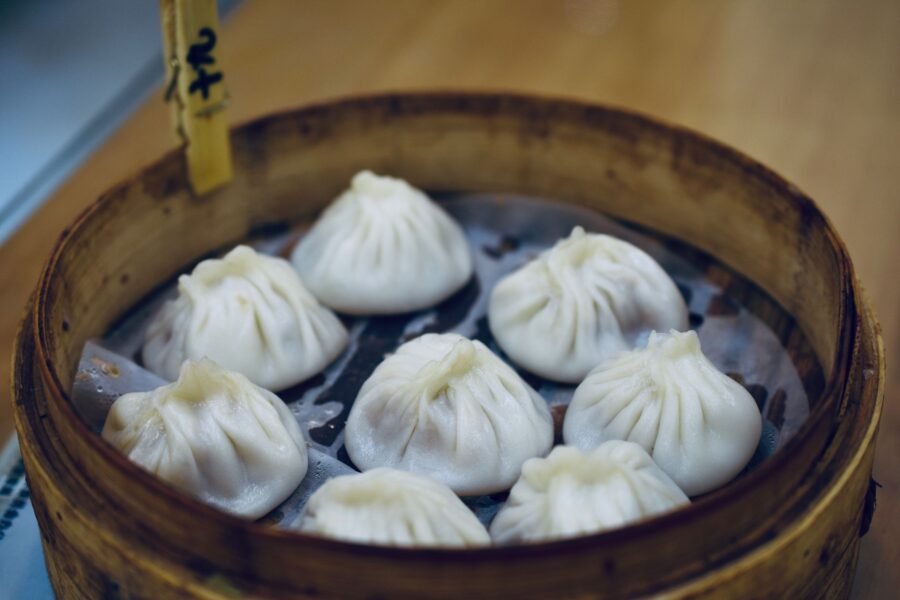
The soup dumpling, xiaolongbao (小笼包), comes from Nanxiang, a town now in Shanghai’s Jiading district, where it was first sold in 1871. The soup is minced pork mixed with jellied pork-skin stock that melts in the steamer; a proper Nanxiang skin is rolled to about 1.5 millimeters and pinched into at least eighteen pleats. In 1900 a Nanxiang cook opened a shop by the Nine-Turn Bridge, and Nanxiang Mantou Dian (南翔馒头店) is still there and still queued for. The ground-floor takeaway window is quicker and cheaper than the dining rooms upstairs.
Shengjian (生煎) are buns fried on the bottom and steamed on top in wide iron pans, then scattered with sesame and scallion. There is a “clear-water” school with a firm filling and a “mixed-water” school with jellied stock that bursts, so bite carefully. Xiaoyang Shengjian (小杨生煎), founded on Wujiang Road in 1994 and now a chain, still runs its branch at 97 Huanghe Road near People’s Square.
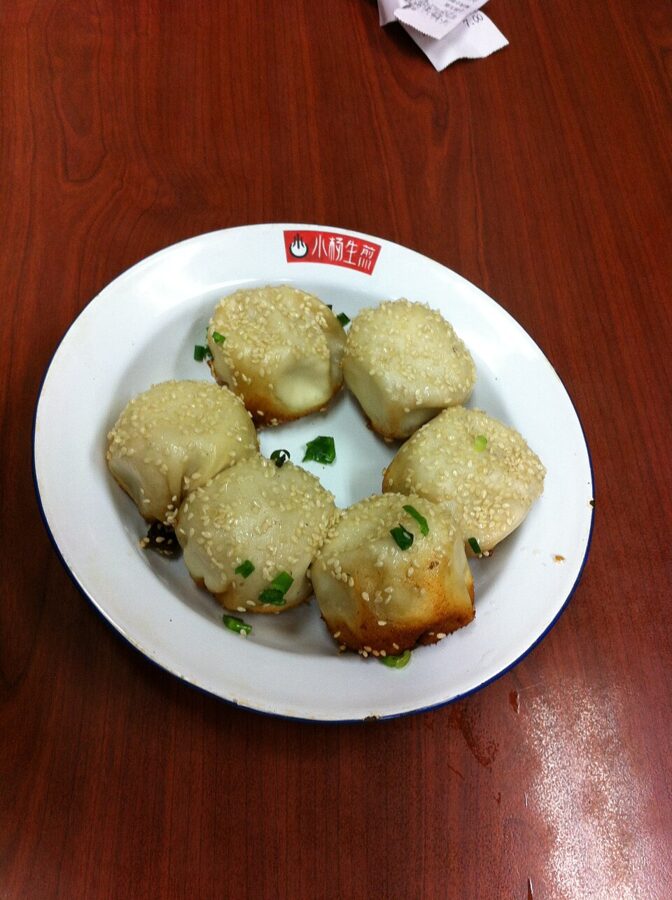

Huanghe Road (黄河路) is a short street of old-style restaurants worth a meal in itself. Jia Jia Tang Bao (佳家汤包) at number 90 steams its soup dumplings to order, and in November and December its crab-roe versions are the reason the queue runs out the door.
The braises
For a sit-down benbang meal, the reference point is Shanghai Lao Fandian (上海老饭店), founded in 1875 as a small eatery called Rongshun Guan and since 1965 on Fuyou Road beside the City God Temple, now at number 242. Its kitchen holds the national intangible-heritage listing for benbang technique. Order the eight-treasure duck (八宝鸭), boned and stuffed with sticky rice, chestnuts and ham, and book ahead at weekends.
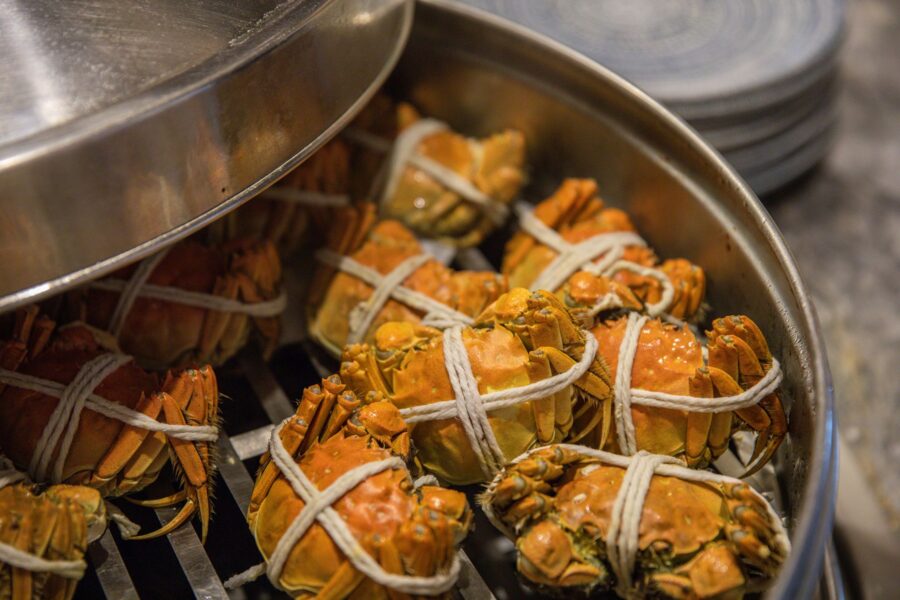
Hairy crab is the season’s other obsession. From October to December the delta’s lake crabs are steamed whole and eaten with ginger vinegar, and shops across the city stack them live in tied bundles.
Getting in, getting around, booking ahead
From the airports
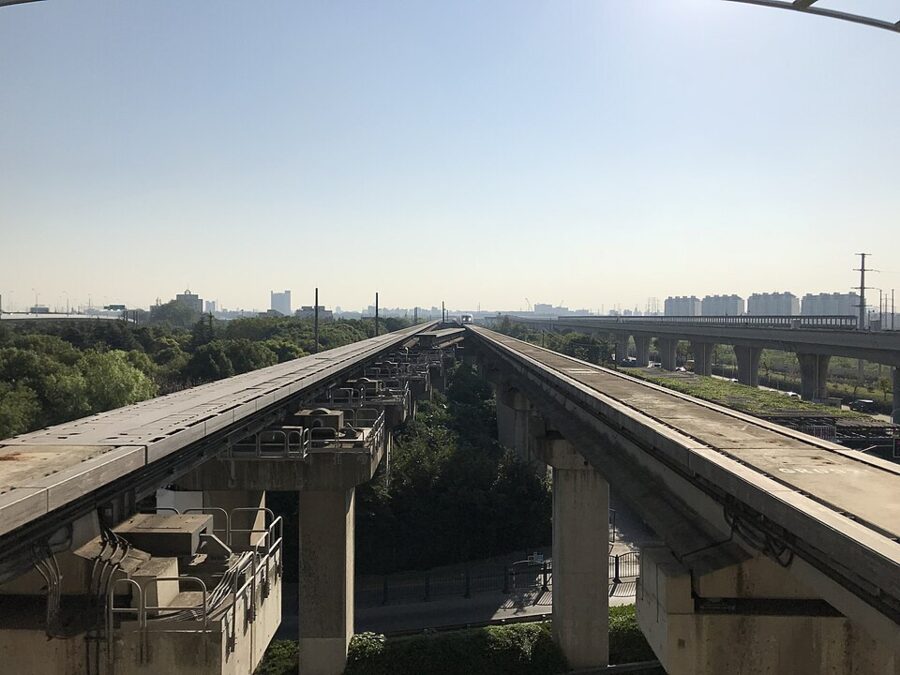
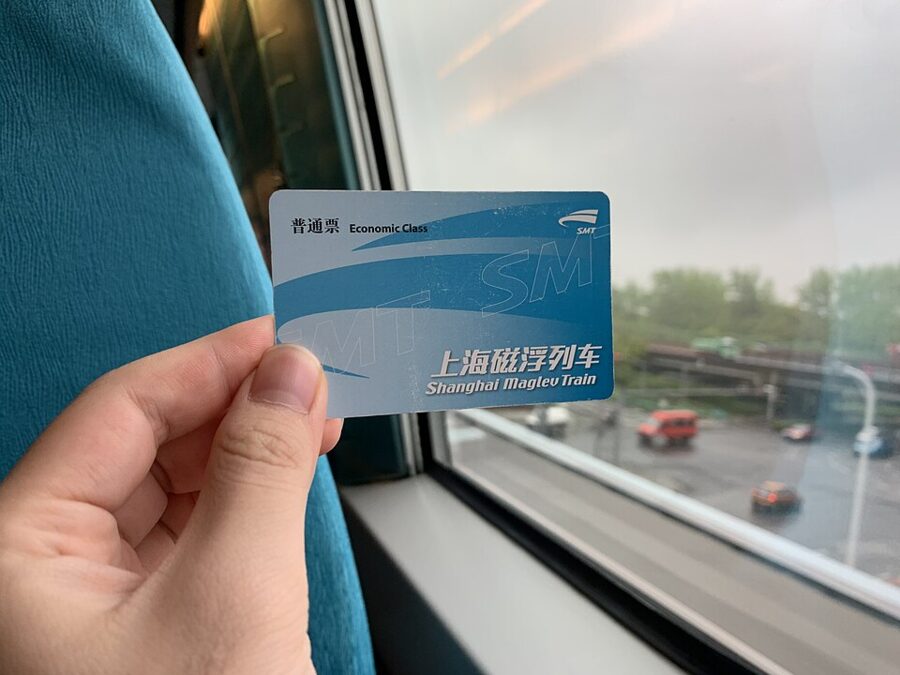
Pudong International Airport sits out by the coast, far east of the center. The fast way in is the Maglev, the world’s first commercial magnetic-levitation line, opened at the end of 2002, which covers 29 kilometers to Longyang Road in about eight minutes at up to 300 km/h. A one-way ticket is 50 yuan, or 40 yuan with a same-day air ticket shown at the counter; a return valid for seven days is 80 yuan. Trains run from the airport 07:02–21:42 and from Longyang Road 06:45–21:40.

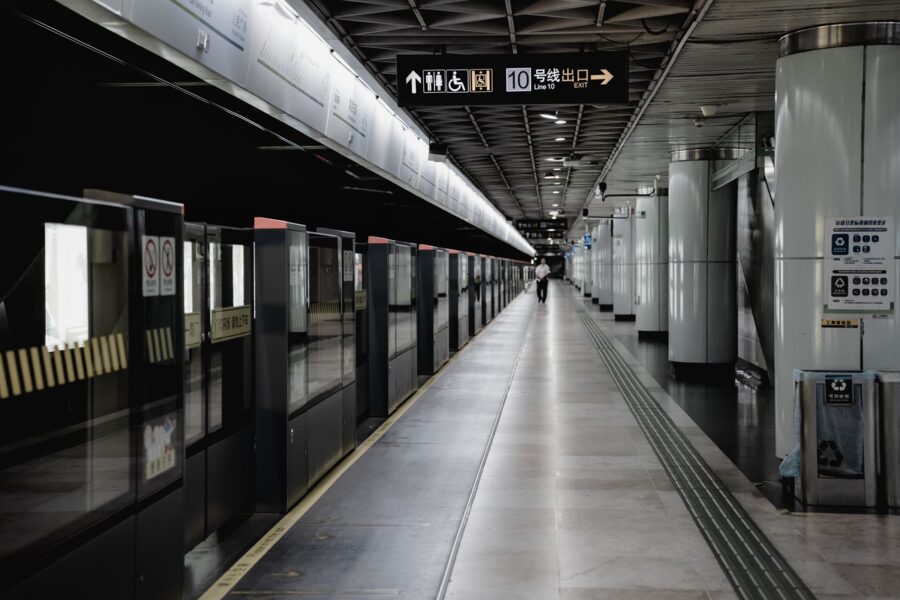
Metro Line 2 also runs from Pudong airport into town, slowly, in about an hour. Hongqiao Airport on the west side is far closer, about 30 minutes from the center on Lines 2 and 10, and Hongqiao Railway Station, where high-speed trains from Beijing, Suzhou and Hangzhou arrive, is next door. An airport link line joins the two airports in about 40 minutes.

Many nationalities can arrive without a visa. China’s 240-hour visa-free transit covered 57 countries as of August 20, 2026, for travelers holding a confirmed onward ticket to a third country, and separate visa exemptions cover many European and Asian passports. The lists change often, so check yours with the National Immigration Administration.
The metro
The metro is the way to move. Since June 2025 every gate on the network accepts contactless bank cards, including Visa, Mastercard, American Express and JCB; make sure small contactless payments without a PIN are enabled. From December 1, 2026 fares follow a new distance scale, still starting at 3 yuan, and the one-day and three-day passes rise to 24 and 60 yuan. Avoid 07:30–09:00 and 17:30–19:00 on weekdays.
Taxis are cheap and metered. Most locals pay with Alipay or WeChat Pay, both of which accept foreign cards, and one of them set up on your phone saves friction at small restaurants; larger shops and hotels take cards.
What to book and when
| Sight | Ticket | Booking | Closed |
|---|---|---|---|
| Yuyuan Garden | 40 yuan (30 yuan Dec–Mar, Jul–Aug) | Gate or mini program | Monday |
| Shanghai Museum East | Free | None; bring passport | Tuesday |
| Shanghai Museum, People’s Square | 148 yuan | Timed ticket | Monday |
| Shanghai History Museum | Free | None | Monday |
| First Party Congress memorial | Free | 1–7 days ahead, real name | Monday |
| Jewish Refugees Museum | 20 yuan | None | Monday |
| Power Station of Art | Partly free; Liu Jiakun 60 yuan | None | Monday |
| Shanghai Tower, 118th floor | About 180 yuan | Timed slots | Open daily |
Three or four days, in order
Because almost everything closes on Monday and the East museum on Tuesday, the order matters more than the content. Slide this plan so that Monday is your water-town day.
Day one: the old city and the Bund. Be at Yuyuan’s north gate at 09:00, then the City God Temple and lunch at Nanxiang Mantou Dian. Walk Fangbang Middle Road west to the Dajing Pavilion, then reach the south end of the Bund by about 15:00. Walk it north to the Garden Bridge, cross to Lujiazui on Line 2 from East Nanjing Road, and be on the Pudong riverside before 18:00 for the lights.
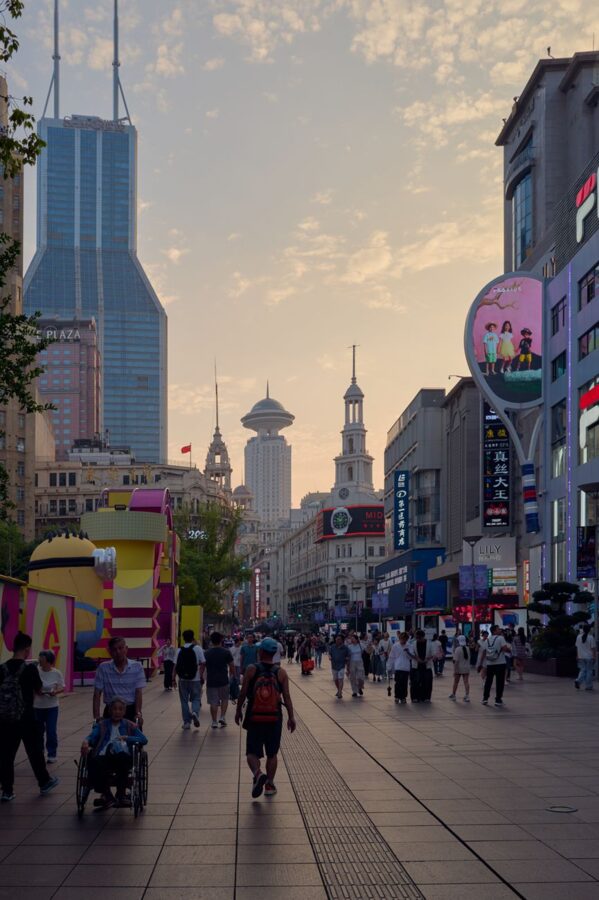
Day two: the concession. Book the First Party Congress memorial for a morning slot, then Xintiandi’s north block, Tianzifang before the crowds and Sinan Mansions. After lunch take Line 10 or 11 to Jiaotong University and walk Wukang Road south to Wukang Mansion in the afternoon light. Eat on Huanghe Road in the evening.
Day three: museums and the view. Spend the morning at Shanghai Museum East, then go up the Shanghai Tower an hour before sunset; Line 2 links the two. On a Tuesday, swap in the History Museum and the Americas show at People’s Square. The Jewish Refugees Museum fits a separate half-day.
Day four: a water town. Zhujiajiao opens every day, which makes it the natural Monday.
A day at Zhujiajiao
The delta west of Shanghai was once a lattice of canals, and its market towns grew along them. Zhujiajiao (朱家角), in Qingpu district beside Dianshan Lake, is the one inside the municipality and the easiest to reach: Metro Line 17 from Hongqiao Railway Station takes 35–40 minutes to Zhujiajiao station, and from exit 1 it is a 900-meter walk to the old post office at the south end of the town.
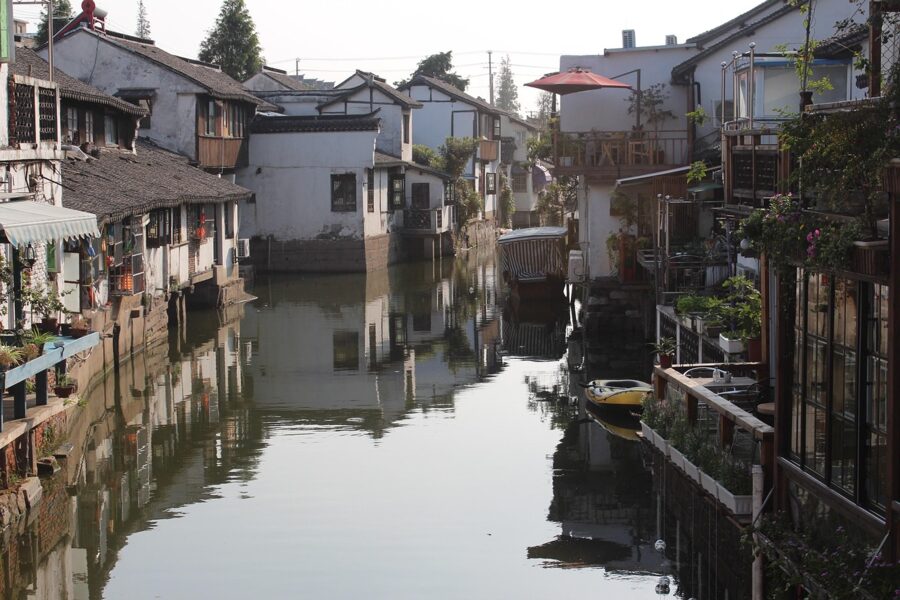
The town is free and always open. A combined ticket of 60 yuan covers three paying sights, among them Kezhi Garden; order it by 08:00 on the day and collect it at the visitor center, 555 Kezhiyuan Road, between 08:30 and 15:00. The sights open 08:30–17:00. A rowed boat costs 200 yuan for up to six people for about fifteen minutes; longer routes cost 300.
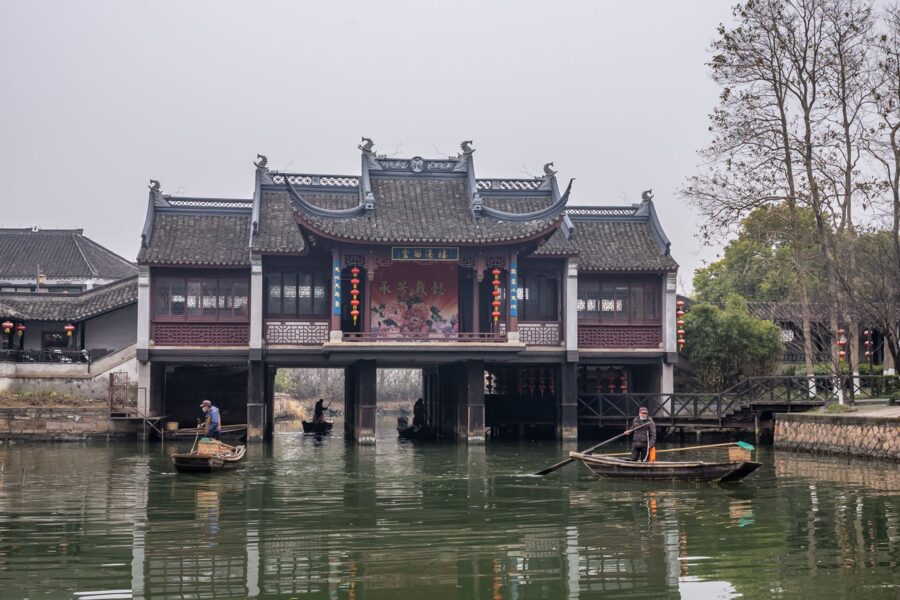
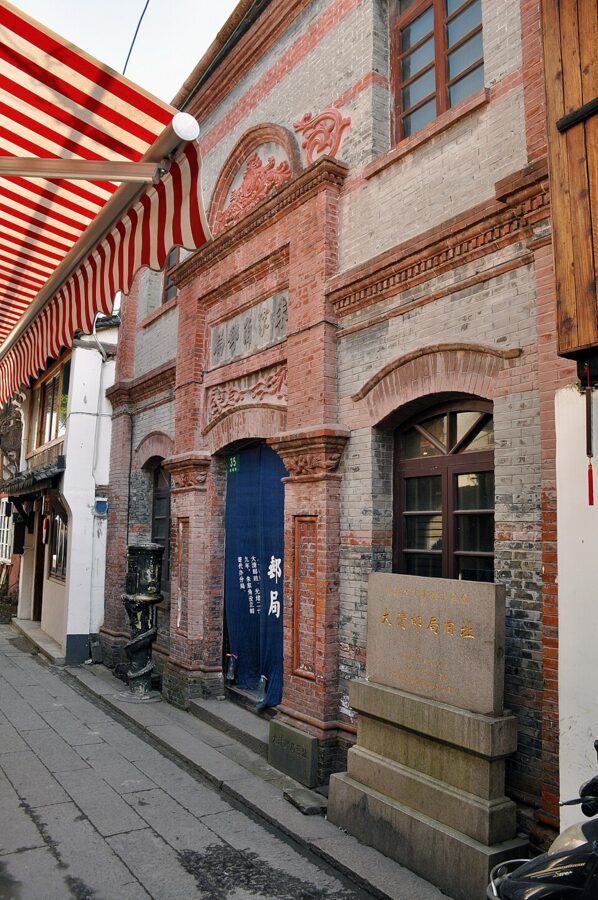
In November 2026 the town was put forward for 5A status, China’s top grade of scenic area, and it is busy at weekends. Walk it from south to north. The old town covers about three square kilometers and 36 old bridges; North Street (北大街), a narrow Ming-and-Qing shop street along the water, has the old pharmacy and soy-sauce works, and the Great Qing Post Office is the only one of its kind left in East China.


Kezhi Garden
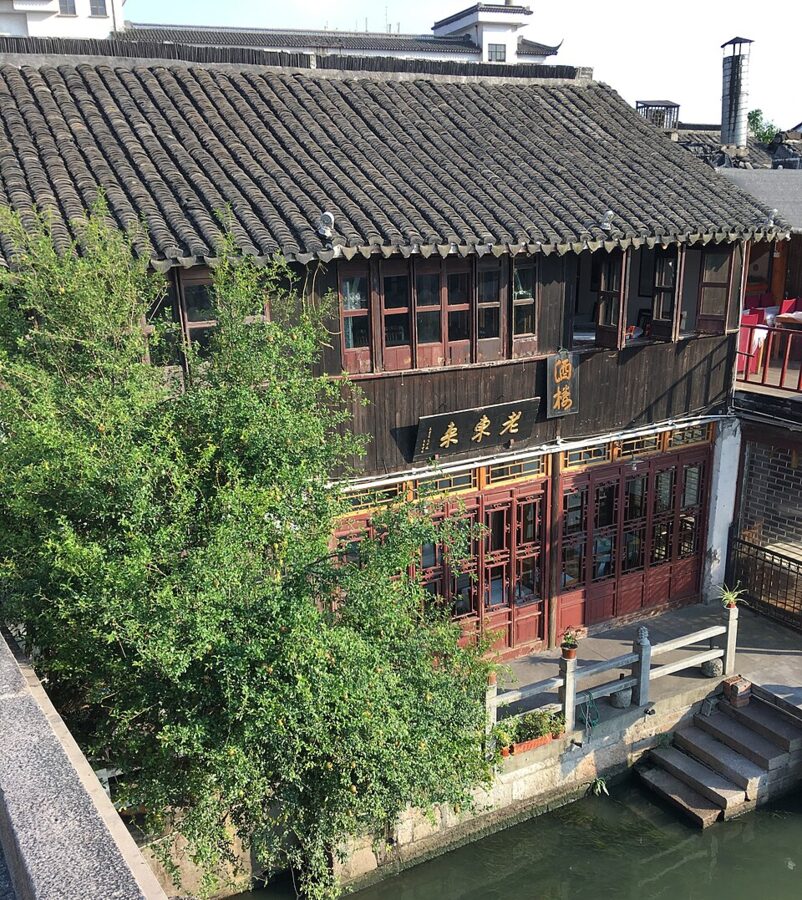
Kezhi Garden (课植园) on Xijing Street was built from 1912 to 1927 by a local merchant, Ma Weiqi; its name, “study and planting”, comes from his couplet telling descendants not to forget the fields between their books. It is a large, slightly eccentric estate of about six hectares, with a five-story concrete moon-viewing tower beside the classical halls, and since 2010 it has staged the Kunqu opera The Peony Pavilion on its terraces.
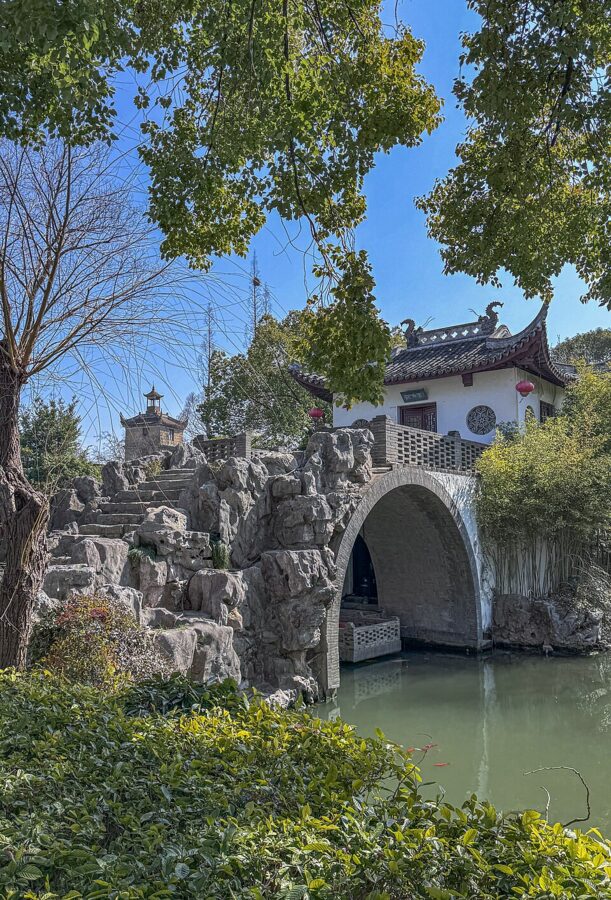

If Kezhi leaves you wanting the originals, Suzhou’s oldest surviving garden, the Canglang Pavilion, is the place to start.
Fangsheng Bridge at the end of the day
Finish at the east end of town on Fangsheng Bridge (放生桥), the “bridge for releasing life”, where Buddhists set captive fish free. A monk named Xingchao raised the money to build it in 1571; it fell in the late eighteenth century and was rebuilt in 1812. It is 72 meters long, five granite arches rising 7.4 meters over the Caogang River, the largest bridge of its kind in East China.
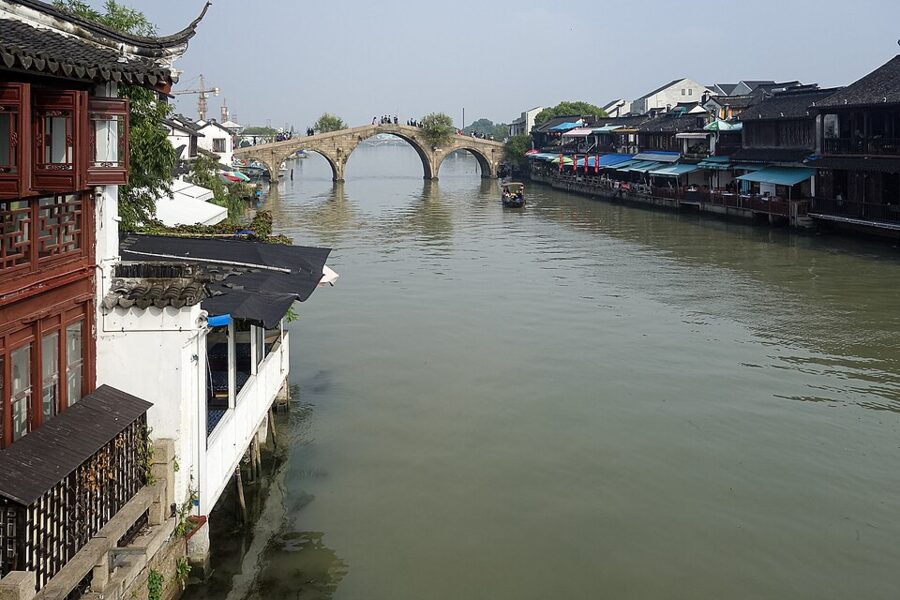

Stand on its crown as the shops close and the lamps along the river come on, then walk back to Line 17. You will be at Hongqiao in forty minutes and on the Bund while its lights are still burning, the same ones that ran down the river building by building on your first evening.